Trump’s emerging Iran deal forces Israel to seek guarantees, not victory
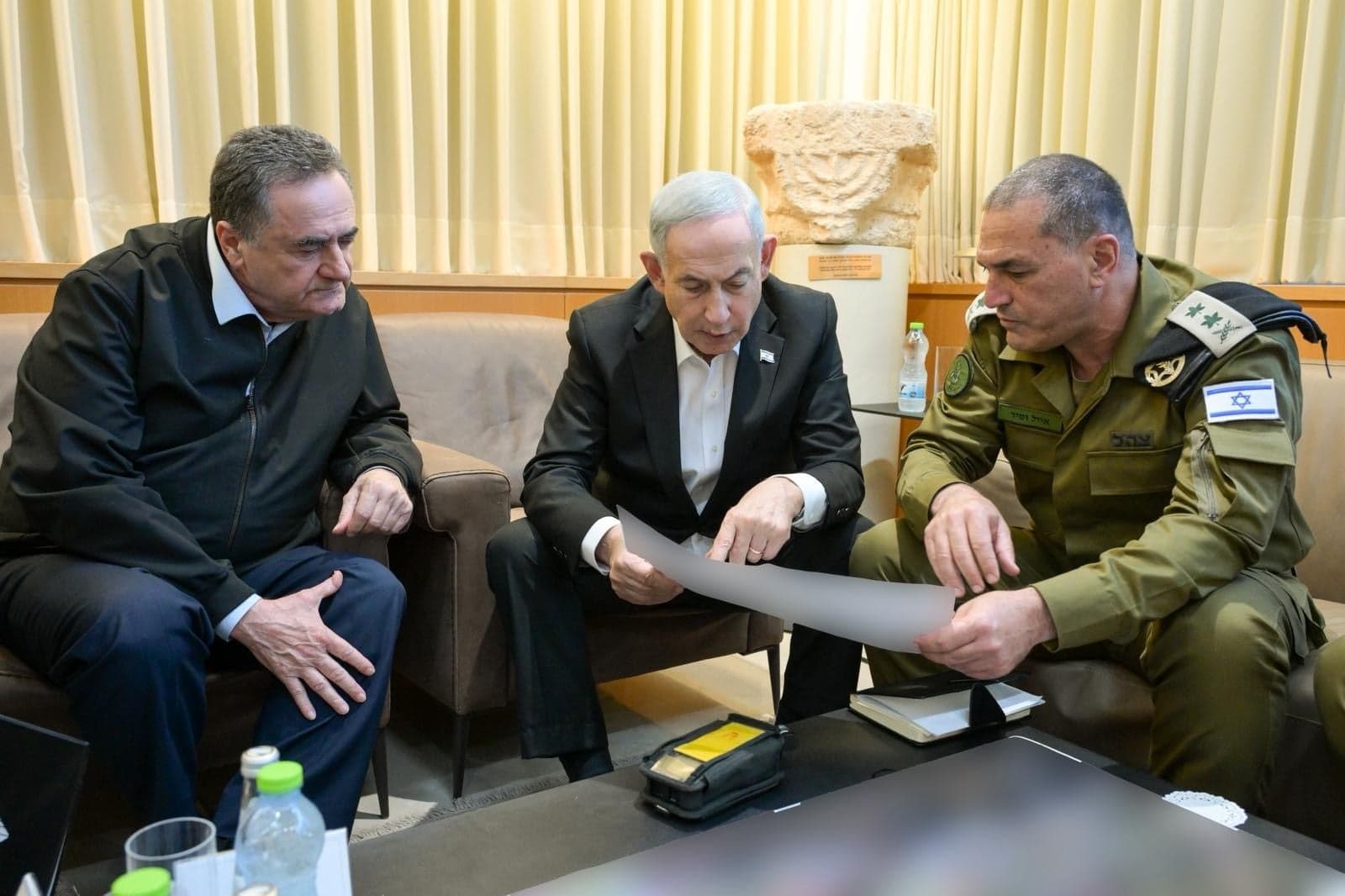
A US-Iran nuclear deal leaves Israel seeking security guarantees rather than a decisive resolution, echoing biblical warnings about nations trusting in treaties and false peace rather than the Lord.
Psalm 2:1-3
Prophetic Fulfillment“Why do the nations rage and the peoples plot in vain? The kings of the earth set themselves, and the rulers take counsel together, against the LORD and against his Anointed, saying, 'Let us burst their bonds apart and cast away their cords from us.'”
Why this passage
Psalm 2 is a royal psalm describing the rebellion of the nations against Yahweh and His Messiah. In its original context, it likely celebrated the Davidic king's coronation and God's promise to establish his throne.
The psalm depicts a universal pattern: earthly rulers conspire to throw off divine authority, but God laughs at their schemes.
This pattern finds its ultimate fulfillment in the last days, when the nations gather against God's people and His Anointed. The psalm's language of 'counsel together' and 'burst their bonds' directly parallels the diplomatic maneuvering of modern powers who seek to contain threats through human agreements rather than submit to God's order.
Behold, the nations rage and the kings of the earth take counsel together against the Lord and against His Anointed (Psalm 2:1-2). Yet the rulers of this age trust in their own covenants and guarantees, as if human parchment can bind the schemes of the wicked.
When Israel must seek guarantees from Washington rather than victory over its enemies, we see the pattern of the last days: a false peace that leaves the righteous uneasy. Pray that the leaders of Jerusalem would look to the God of Jacob, not the treaties of men, for their sure defense.
Today's Prayer
Pray that Israel's leaders would trust in the Lord of Hosts rather than in diplomatic guarantees, and that the nations would be thwarted in any plan that enables Iran's nuclear ambitions.
Further Scripture
Additional passages that illuminate this event, each grounded in a distinct interpretive lens.
“Because you have said, 'We have made a covenant with death, and with Sheol we have an agreement, when the overwhelming whip passes through it will not come to us, for we have made lies our refuge, and in falsehood we have taken shelter.'”
Why this passage
Isaiah 28 is a woe oracle against the leaders of Ephraim and Judah who trusted in political alliances with Egypt rather than in the Lord. The prophet mocks their 'covenant with death'—a treaty they believed would protect them from Assyria.
In its historical context, this referred to Judah's reliance on Egyptian military aid, which Isaiah condemned as a false refuge.
The principle is timeless: when nations make agreements with evil powers, thinking they can contain or manage the threat, they are making a covenant with death itself. The 'overwhelming whip' (the Assyrian invasion) would not be stopped by such treaties.
How it applies
The article reports that the emerging US-Iran deal risks 'drawn-out nuclear talks' and leaves Israel with 'questionable freedom of action.' This is precisely the kind of covenant with death Isaiah condemned—an agreement with a regime that openly calls for Israel's destruction, under the illusion that diplomacy can contain the threat. Israel is left to seek 'guarantees' from Washington rather than the victory God promises His people.
“For the day of the LORD is near upon all the nations. As you have done, it shall be done to you; your deeds shall return on your own head.”
Why this passage
Obadiah's prophecy concerns Edom's pride and violence against Israel, but it expands to a universal declaration: the Day of the Lord is near upon all nations. The principle of divine retribution—'as you have done, it shall be done to you'—applies to every nation that plots against God's people.
The book's original audience was Judah after the Babylonian destruction, but its scope is eschatological.
This verse directly addresses the fate of nations like Iran that seek Israel's destruction. The 'day of the LORD' is a consistent prophetic theme (Joel 2, Zephaniah 1, Malachi 4) that will bring judgment on all nations that have opposed God's purposes.
How it applies
Iran's nuclear ambitions and the international community's willingness to negotiate rather than confront the regime echo Edom's pride. The article notes that Israel is forced to 'seek guarantees, not victory'—but Obadiah reminds us that the Day of the Lord will bring true justice.
The nuclear deal may delay confrontation, but it cannot avert the divine reckoning that awaits those who threaten God's covenant people.
Related by Scripture
Other events we've interpreted through the same passage or hermeneutical lens.
Pope Leo tells Spanish parliament migrants must be respected
Moral DeclineShares Psalm 2:1-3Netanyahu orders Iran strikes despite Trump claiming ‘I call all the shots’ | First Thing
Wars & Rumors of WarsShares Psalm 2:1-3Iran War: Hezbollah Rejects Israel-Favoring Ceasefire, Casting More Doubt on “Deal”: Iran Agrees to Inspection of Bushear Plant but No Enriched Uranium Concessions; Trump Warned of Oil Cliff as Private Debt Fund Wobbles Rise
Wars & Rumors of WarsShares Psalm 2:1-3Iranians 'beg Trump to resume war and finish what he started'
Wars & Rumors of WarsShares Psalm 2:1-3The Latest: Iran deal progress is murky after US military says it carried out ‘self-defense’ strikes
Wars & Rumors of WarsShares Psalm 2:1-3
Community launching soon
Get the invite by email when the Watchman's Wall opens
Share this article
Source: timesofisrael— we link to the original for full context.