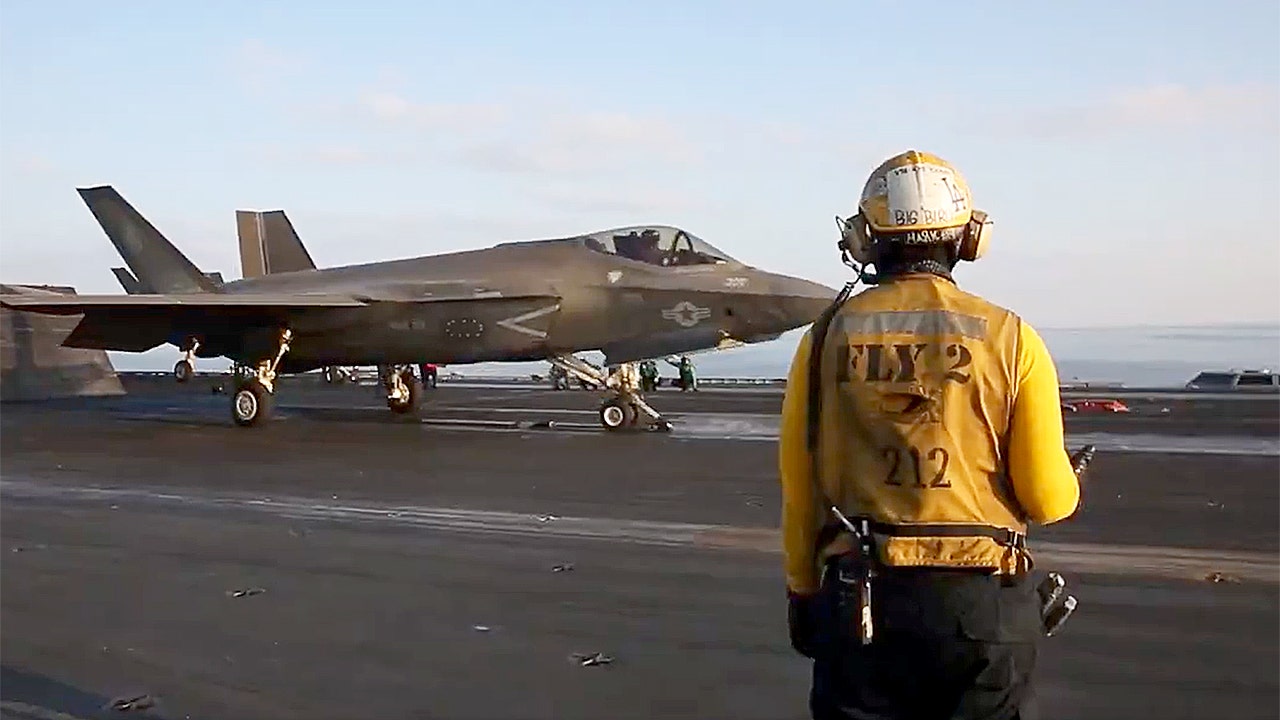
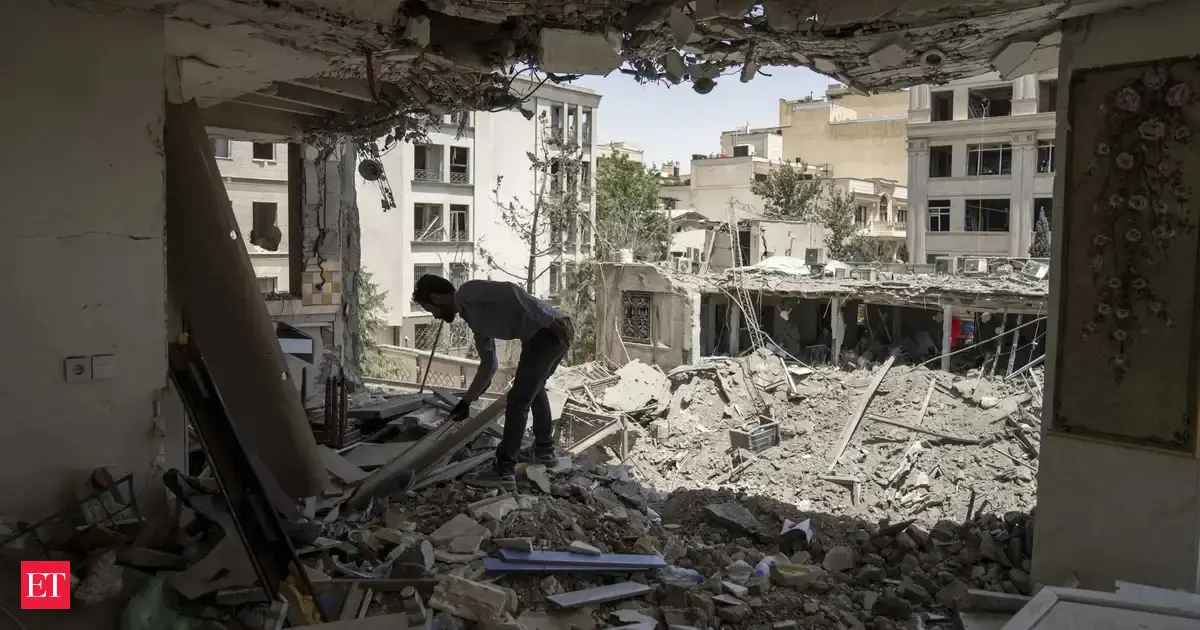
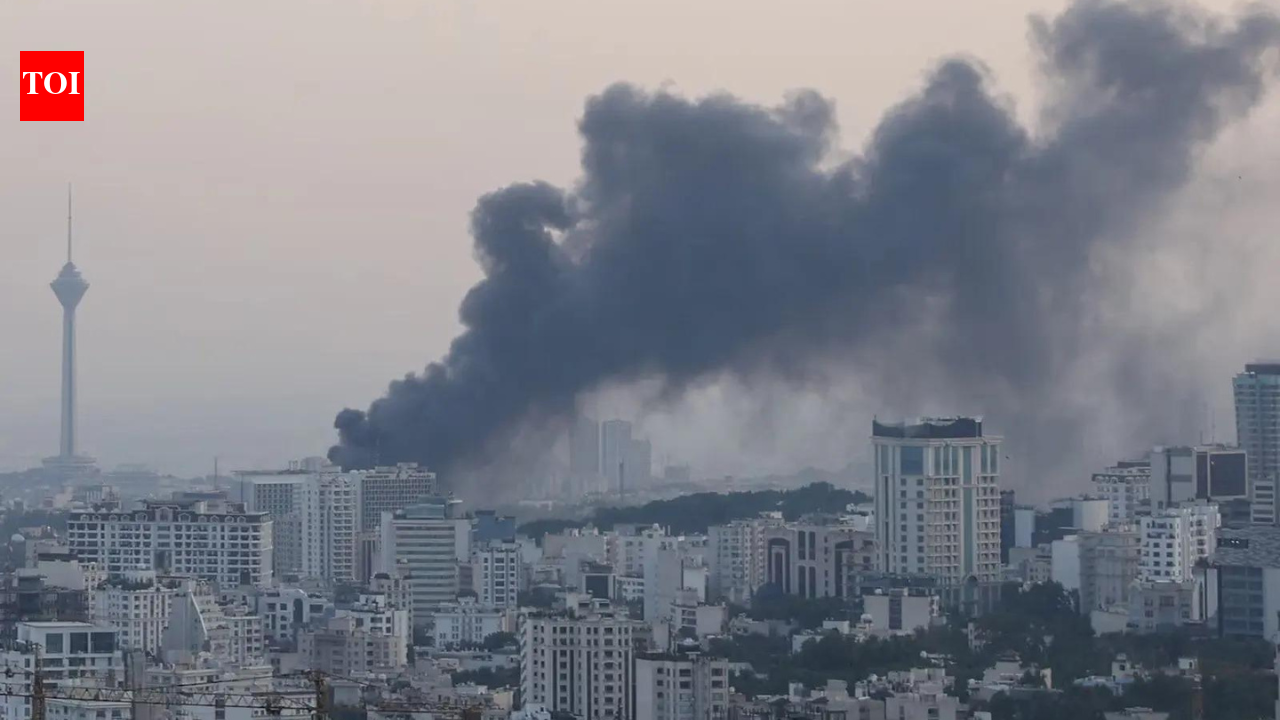
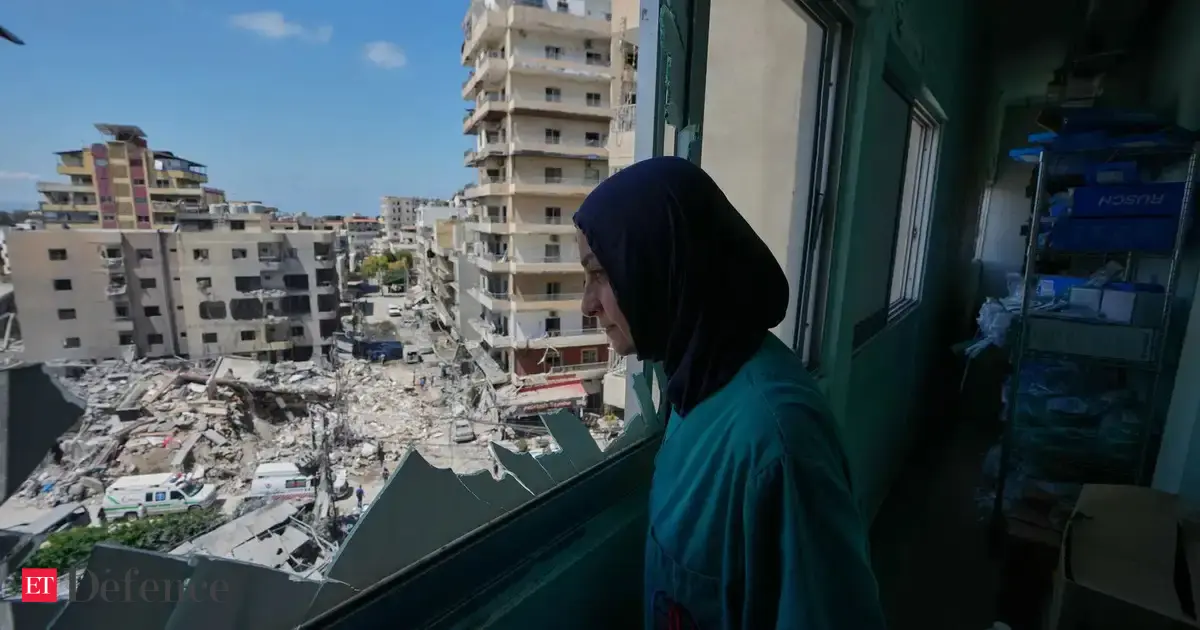
Jesus warned of increasing conflicts between nations and kingdoms. Multiple active conflicts persist across the globe with growing geopolitical tension.
What Scripture says
In Matthew 24:6-7, Jesus, in His Olivet Discourse, responds to His disciples' question about the 'sign of your coming and of the end of the age' (Matt 24:3). He begins by cautioning them, saying, 'See that you are not alarmed, for this must take place, but the end is not yet.' This crucial context sets the stage: while conflicts are a sign, they are not the definitive end itself, but rather precursors. He specifies two forms of conflict: 'wars and rumors of wars,' referring to actual armed conflicts and credible threats or reports of them. Following this, He describes an escalation: 'For nation will rise against nation, and kingdom against kingdom.' The Greek words used, 'ethnos' (nation/ethnic group) and 'basileia' (kingdom/realm), suggest widespread conflict, not just isolated incidents. Mark's parallel account (Mark 13:7-8) includes the same warning, adding that these are 'the beginning of birth pains'—a metaphor suggesting increasing frequency and intensity, like labor contractions, leading up to a significant event. Therefore, Jesus presents these conflicts as a recurring, intensifying feature of the period leading up to His return, serving as a sign of progress toward the end, but not the final arrival of the end itself, urging believers not to fall into alarm or false conclusions.
How we recognize it today
Today's global landscape offers a striking parallel to Jesus' words, aligning with the 'in-progress' status of this prophecy. While wars have always been part of human history, many observers note a particular confluence of factors that resonate with this prophecy. We see active military conflicts in various regions, from localized skirmishes to larger-scale engagements involving multiple nations. Beyond direct combat, the 'rumors of wars' are increasingly prevalent. These manifest as heightened geopolitical tensions, military buildups, cyber warfare threats, and diplomatic standoffs that carry the constant threat of escalation. The concept of 'nation rising against nation, and kingdom against kingdom' is evident in the complex web of alliances, proxy conflicts, and ideological divisions that fuel international instability. Rather than a singular, monolithic war, we see a tapestry of interconnected conflicts and potential flashpoints, where disputes over territory, resources, and influence frequently boil over. This ongoing, widespread, and interconnected nature of global conflict, accompanied by persistent threats, is widely recognized as a pattern consistent with the prophetic signs Jesus described, signaling an era of increasing global unrest.
The major interpretive views
Within orthodox and evangelical circles, interpretations of 'wars and rumors of wars' largely fall along different eschatological lines, though the literal reality of conflicts is generally affirmed. **Amillennial** and **Postmillennial** views often see these signs as characteristic of the entire church age, acknowledging that conflict is inherent to a fallen world until Christ's return. They might emphasize that while wars persist, they don't necessarily signal an accelerating intensity unique to the very end times, but are part of the broader pattern of human history leading to a spiritual victory (Postmillennial) or a general return (Amillennial). For **Premillennial** views, particularly **Dispensational Premillennialism**, 'wars and rumors of wars' are taken as literal and specific signs that will indeed intensify and become more frequent and global in scope as the end of the age approaches, leading up to the Tribulation period and Christ's physical return to establish His kingdom. They often highlight the 'birth pains' metaphor (Matt 24:8) to suggest a progressive increase in severity and frequency. While 'Pre-Tribulation' and 'Post-Tribulation' Rapture views (sub-categories within Premillennialism) differ on *when* the Church will be removed, both typically agree that these escalating signs will occur on Earth, fulfilling Jesus' prophecy. Across these views, there is a common understanding that Jesus' words serve as a call to spiritual vigilance and a reminder of His ultimate sovereignty, regardless of the precise timing or intensity ascribed to the 'end-time' escalation of conflicts.
Reading this prophecy without panic
For a 40-60 year old American Christian, Jesus' words about 'wars and rumors of wars' should anchor us, not unnerve us. Our Lord explicitly stated, 'See that you are not alarmed.' This is a call to steadfast faith, not fearful speculation. Rather than succumbing to anxiety over global headlines, we are to fix our eyes on Christ, who sovereignly orchestrates all things. This prophecy reminds us that God's plan is unfolding, and His return is certain. It should prompt us to live with renewed purpose: praying for peace, sharing the Gospel's hope, and faithfully serving our communities. Our response isn't to predict dates or panic, but to trust in God's control, find peace in His presence, and be beacons of His light in a troubled world, knowing that our ultimate hope rests securely in Him.
Frequently asked questions
- What does wars and rumors of wars mean in simple terms?
- In simple terms, 'wars and rumors of wars' refers to actual armed conflicts occurring around the world, as well as credible threats, reports, and escalating tensions that suggest new conflicts might break out. Jesus used this phrase to describe a state of ongoing global unrest and military activity that would be characteristic of the period leading up to His return, serving as a general sign, but not the final sign, of the end times.
- Why does wars and rumors of wars matter today?
- This prophecy matters today because it serves as a powerful reminder that biblical prophecy is actively unfolding. Observing the persistent and widespread conflicts and tensions across the globe can affirm our faith in Jesus' words and God's sovereign plan. It encourages us to remain watchful, to pray for peace, and to live with an eternal perspective, knowing that these events are part of the larger narrative leading towards Christ's ultimate return and the establishment of His eternal kingdom.
- Is wars and rumors of wars happening now?
- Yes, based on global events, this prophecy is widely considered 'in-progress.' While wars have always existed, many observe a sustained and growing pattern of active conflicts, geopolitical tensions, and widespread threats of violence across various regions today. These patterns resonate strongly with Jesus' description of nation rising against nation and kingdom against kingdom. However, it's crucial to remember that Jesus indicated these are 'the beginning of birth pains' and 'the end is not yet,' meaning we should not interpret current events as definitive proof of an immediate end-date.
Verse commentary
Read the full meaning of Matthew 24:6 →Scripture meanings related to this prophecy
- Matthew 24:6“You will hear of wars and rumors of wars, but see to it that you are not alarmed. Such things must happen, but…”
- Matthew 24:14“And this gospel of the kingdom will be proclaimed throughout the whole world as a testimony to all nations, an…”
- Matthew 24:36“But concerning that day and hour no one knows, not even the angels of heaven, nor the Son, but the Father only…”
- Matthew 24:42“Therefore, stay awake, for you do not know on what day your Lord is coming.”
- Matthew 24:7“Nation will rise against nation, and kingdom against kingdom. There will be famines and earthquakes in various…”
- Matthew 24:9“Then they will hand you over to be persecuted and put to death, and you will be hated by all nations because o…”
Related signs to follow
This deep-dive is denomination-neutral and grounded in Scripture. It does not predict dates for the return of Jesus — “no one knows the day or the hour” (Matthew 24:36).