Who was Mohammad Odeh? Israel eliminates man behind October 7 mayhem, what does it mean for Palestinians?
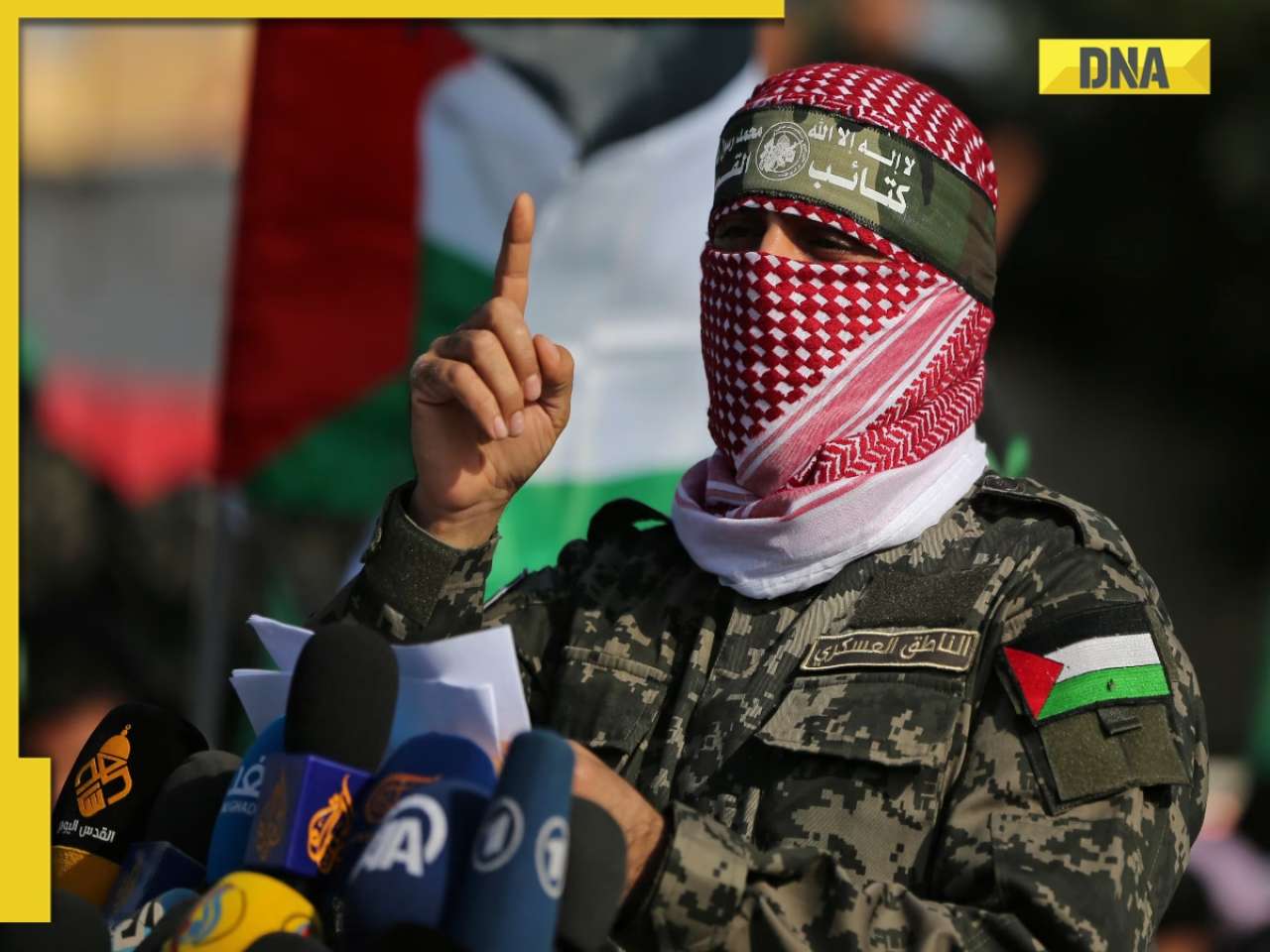
Israel's elimination of a key Hamas architect behind the October 7 attacks and the subsequent breach of ceasefire signal escalating conflict in the region, echoing biblical prophecies of wars and rumors of wars in the last days.
Joel 3:9-10
Prophetic Fulfillment“Proclaim this among the nations: Prepare war; stir up the mighty men. Let all the men of war draw near; let them come up. Beat your plowshares into swords, and your pruning hooks into spears; let the weak say, 'I am a warrior.'”
Why this passage
Joel 3:9-10 is a prophetic summons to the nations to prepare for war in the Valley of Jehoshaphat, a passage that speaks of God's judgment on the nations that have scattered His people. The original context is a call to gather for divine judgment, but the language of beating plowshares into swords—the reverse of Isaiah's peace prophecy—signals a time when peace is withdrawn and conflict is unleashed.
This verse legitimately extends to the current escalation because it describes a divinely orchestrated scenario where nations are stirred to war, and the breaking of a ceasefire fits the pattern of peace being removed. The elimination of a key militant leader and the subsequent breach of truce align with the prophetic call to 'prepare war' and 'stir up the mighty men.'
Behold, the Lord declares through the prophet Joel, 'Proclaim this among the nations: Prepare war; stir up the mighty men. Let all the men of war draw near; let them come up' (Joel 3:9).
The elimination of Mohammad Odeh and the breaking of the ceasefire are not merely political maneuvers—they are the grinding of the prophetic gears that Scripture foretold.
Take heed, O reader, for the pattern of nations preparing for battle and the breaking of peace agreements is a signpost of the age. Let not your heart be troubled, but let your faith be anchored in the One who holds the nations in His hand.
Today's Prayer
Pray for the peace of Jerusalem and for the salvation of souls caught in the crossfire of this escalating conflict.
Further Scripture
Additional passages that illuminate this event, each grounded in a distinct interpretive lens.
“And you will hear of wars and rumors of wars. See that you are not alarmed, for this must take place, but the end is not yet. For nation will rise against nation, and kingdom against kingdom, and there will be famines and earthquakes in various places.”
Why this passage
In Matthew 24, Jesus describes the signs of His coming and the end of the age, beginning with wars and rumors of wars. The original audience understood this as a warning of escalating conflict before the tribulation.
The phrase 'nation will rise against nation' (ethnos against ethnos) encompasses ethnic and national conflicts, including the Israeli-Palestinian struggle.
The elimination of a Hamas leader and the breach of a ceasefire are concrete examples of 'wars and rumors of wars'—the conflict is not ending but intensifying. This verse applies because it names the very pattern of escalating national and ethnic conflict we see in this event.
How it applies
The killing of Mohammad Odeh and the subsequent breakdown of the ceasefire are a fulfillment of Christ's warning that wars and rumors of wars would mark the age before His return. This event is a reminder that such conflicts 'must take place' as part of the birth pains, and believers should not be alarmed but watchful.
“Why do the nations rage and the peoples plot in vain? The kings of the earth set themselves, and the rulers take counsel together, against the Lord and against his Anointed, saying,”
Why this passage
Psalm 2 is a royal psalm describing the rebellion of the nations against God and His Messiah. The 'raging' of the nations and the 'plotting' of rulers are presented as futile attempts to throw off divine authority.
The original context is the coronation of Israel's king, but it prophetically points to the ultimate rebellion against Christ.
This verse applies to the current event because the conflict between Israel and Hamas is a microcosm of the nations' rage against God's purposes. The elimination of a militant leader and the breaking of a ceasefire are part of the ongoing 'raging' of the nations that Psalm 2 describes.
How it applies
The ongoing conflict in Gaza, including the targeted killing of Mohammad Odeh and the ceasefire breach, illustrates the 'raging of the nations' against God's order. The Psalm reminds us that such plotting is ultimately in vain, as God's Anointed—Jesus Christ—will one day establish His reign over all nations.
Related by Scripture
Other events we've interpreted through the same passage or hermeneutical lens.
Israeli attack on Tyre in Lebanon kills eight as evacuation ordered for Christian quarter
Wars & Rumors of WarsShares Joel 3:9-10Eight killed in south Lebanon strike as Israel warns entire city to evacuate
Wars & Rumors of WarsShares Joel 3:9-10Middle East crisis live: People flee Lebanese city of Tyre after Israel orders evacuation ahead of strikes
Wars & Rumors of WarsShares Joel 3:9-10Since beginning of war, 29 ships attacked in Middle East — UKMTO
Wars & Rumors of WarsShares Matthew 24:6-7Israel and Iran trade strikes, threatening to drag the region back into full-scale war
Wars & Rumors of WarsShares Psalm 2:1-2
Community launching soon
Get the invite by email when the Watchman's Wall opens
Share this article
Source: Pramode Mallik— we link to the original for full context.