Since beginning of war, 29 ships attacked in Middle East — UKMTO
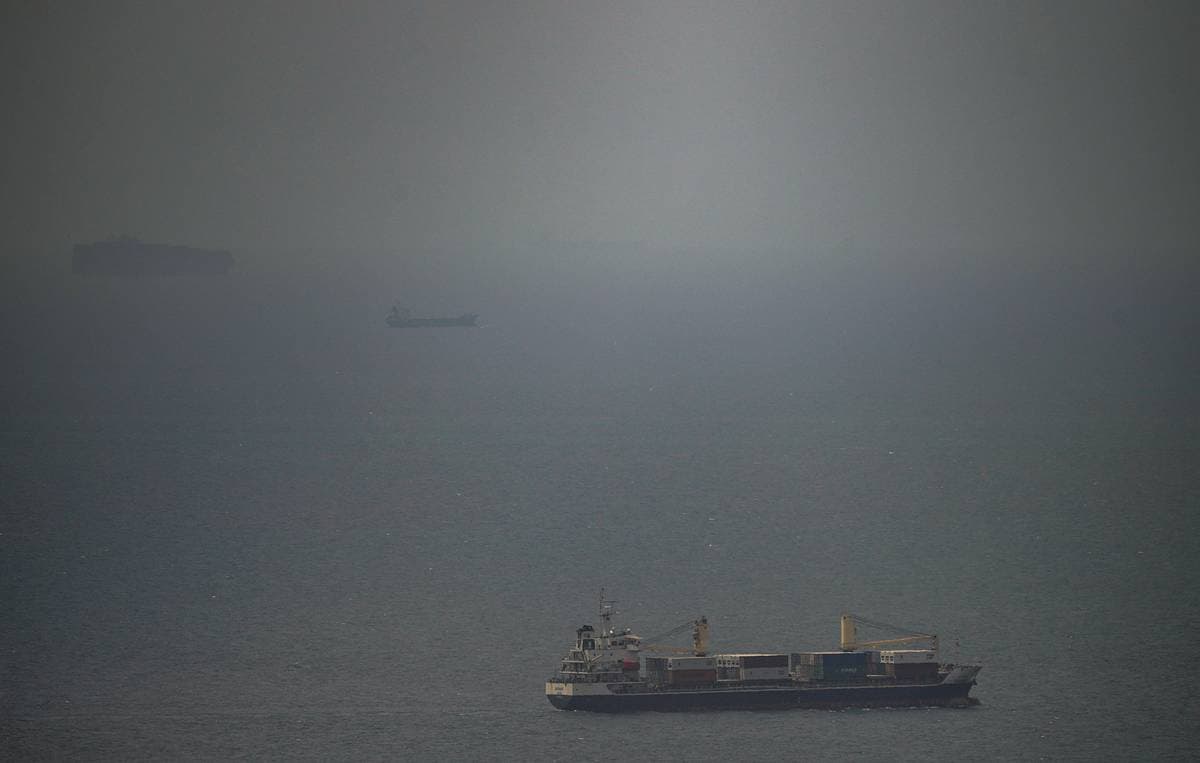
The UKMTO reports 29 ships attacked, 23 suspicious activities, and 2 hijackings in the Middle East since the war began, signaling escalating maritime conflict that echoes biblical prophecies of nations rising against nations and widespread warfare.
Matthew 24:6-7
Prophetic Fulfillment“And you will hear of wars and rumors of wars. See that you are not alarmed, for this must take place, but the end is not yet. For nation will rise against nation, and kingdom against kingdom, and there will be famines and earthquakes in various places.”
Why this passage
In its original context, Jesus spoke these words to His disciples on the Mount of Olives, answering their question about the sign of His coming and the end of the age. The plain grammatical-historical sense is a prophecy of escalating international conflict before His return.
The phrase 'nation will rise against nation' (ethnos epi ethnos) encompasses not only land wars but all forms of organized hostility between peoples, including maritime attacks.
This passage is the foundational New Testament text for understanding wars as birth pangs of the end. The UKMTO report of 29 ships attacked in the Middle East since the war began is a concrete, verifiable instance of this prophecy being fulfilled in our time.
Historical context, theological significance, application today — denomination-neutral, ~1,000-word walk-through.
Behold, the seas themselves become a theater of strife. Scripture declares, 'For nation will rise against nation, and kingdom against kingdom' (Matthew 24:7).
The attacks on merchant vessels in Middle Eastern waters are not random acts of piracy but the unfolding of a pattern the Lord Himself foretold.
Take heed, for these are the beginnings of sorrows. As ships burn and trade routes are threatened, remember that our true anchor holds within the veil.
Let not your heart be troubled, but let these signs stir you to watchfulness and prayer.
Today's Prayer
Pray for the safety of seafarers and the restraint of nations, that the Prince of Peace would calm the stormy waters of the Middle East.
Further Scripture
Additional passages that illuminate this event, each grounded in a distinct interpretive lens.
“Proclaim this among the nations: Consecrate for war; stir up the mighty men. Let all the men of war draw near; let them come up. Beat your plowshares into swords, and your pruning hooks into spears; let the weak say, 'I am a warrior.'”
Why this passage
Joel 3 is a prophecy of God's judgment on the nations gathered against Israel in the Valley of Jehoshaphat. The call to 'beat your plowshares into swords' is a deliberate inversion of the messianic peace prophecy (Isaiah 2:4, Micah 4:3).
In its original context, Joel is summoning the nations to prepare for war because God is about to judge them. The plain sense is a prophetic oracle of escalating militarization before divine judgment.
This passage applies to the current maritime attacks because the Middle East is the geographic focal point of Joel's prophecy. The conversion of commercial shipping vessels into targets of war echoes the 'plowshares into swords' motif—tools of commerce become instruments of conflict.
How it applies
The attacks on 29 ships in Middle Eastern waters represent a fulfillment of Joel's prophecy that nations would turn instruments of peace into weapons of war. Commercial shipping, the lifeblood of global trade, has become a battlefield.
As the UKMTO reports hijackings and suspicious activities, the pattern of Joel 3:9-10 is visible: the weak say 'I am a warrior,' and the seas become a theater of conflict. This should remind believers that the gathering of nations for judgment is underway.
“He makes wars cease to the end of the earth; he breaks the bow and shatters the spear; he burns the chariots with fire. 'Be still, and know that I am God. I will be exalted among the nations, I will be exalted in the earth!'”
Why this passage
Psalm 46 is a song of confidence in God's sovereignty over the nations and their conflicts. The psalmist describes God's power to end wars, breaking weapons of war.
The original hearers understood this as a promise that Yahweh, not the nations, ultimately controls history. The verse presents a direct principle: only God can truly end wars, and He will be exalted when He does.
This principle applies directly to the current situation: as human efforts fail to stop the attacks on ships in the Middle East, the psalm calls us to recognize that only divine intervention can bring lasting peace. The escalating maritime conflict demonstrates humanity's inability to secure peace apart from God.
How it applies
The 29 ships attacked in Middle Eastern waters illustrate the truth of Psalm 46: human power cannot make wars cease. Despite international efforts, the attacks continue, showing that peace is beyond human achievement.
Believers are called to 'be still' and trust that God will ultimately be exalted over the nations, even as maritime warfare rages. This is not passive resignation but active faith in the God who breaks the bow and shatters the spear.
Related by Scripture
Other events we've interpreted through the same passage or hermeneutical lens.
Israeli attack on Tyre in Lebanon kills eight as evacuation ordered for Christian quarter
Wars & Rumors of WarsShares Joel 3:9-10Eight killed in south Lebanon strike as Israel warns entire city to evacuate
Wars & Rumors of WarsShares Joel 3:9-10Middle East crisis live: People flee Lebanese city of Tyre after Israel orders evacuation ahead of strikes
Wars & Rumors of WarsShares Joel 3:9-10NATO drills aimed at practicing coordination during potential anti-Russia operation — MP
Wars & Rumors of WarsShares Joel 3:9-10Will Iran give up on ceasefire talks as strait of Hormuz blockade continues?
Wars & Rumors of WarsShares Joel 3:9-10
Community launching soon
Get the invite by email when the Watchman's Wall opens
Share this article
Source: tass— we link to the original for full context.