Iran’s top diplomat briefly returns to Pakistan but Trump says the sides can talk by phone
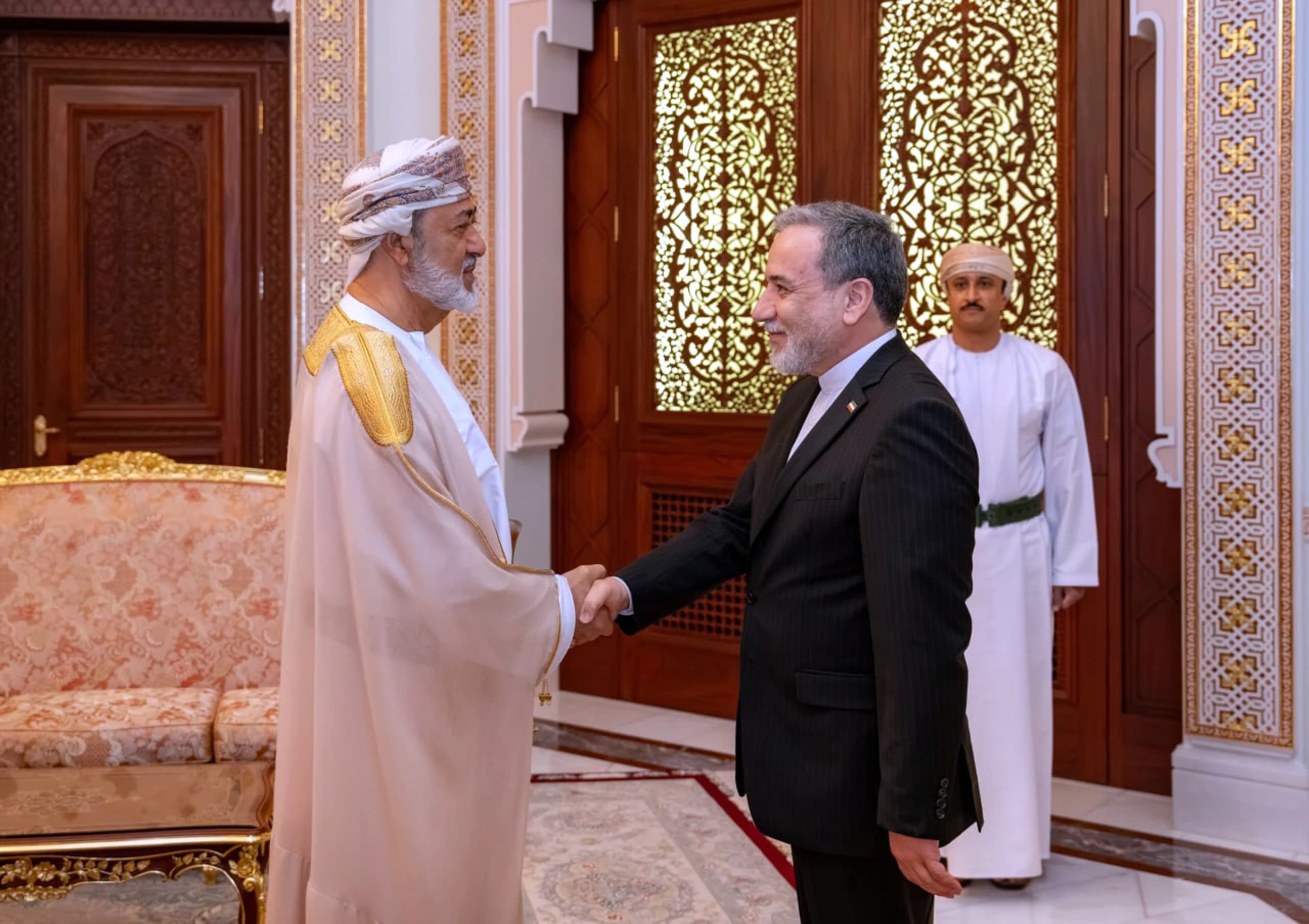
Diplomatic talks between the United States and Iran stall as envoys are recalled and negotiations revert to phone contact, illustrating the hollow optimism of peace processes built on unstable foundations.
Jeremiah 8:11
Direct Principle“They have healed the wound of my people lightly, saying, 'Peace, peace,' when there is no peace.”
Why this passage
Jeremiah's repeated refrain — 'Peace, peace, when there is no peace' — addresses the habit of treating a deep national wound with a superficial remedy, pronouncing health where sickness remains unaddressed.
The plain sense is that declarations of peace divorced from repentance, justice, and structural reality are not merely premature but are themselves a form of deception that deepens the wound.
The prophet Ezekiel warned of those who daub a wall with whitewash — who cry 'Peace!' where no peace has been secured, plastering over a crumbling structure with the appearance of stability.
The on-again, off-again diplomacy between Washington and Tehran mirrors this ancient pattern precisely: envoys dispatched, then recalled; historic talks celebrated, then abandoned to a phone call. The wall is still crumbling.
Let the Church watch with sober eyes and pray rather than presume.
Today's Prayer
Pray that world leaders would seek genuine justice and not merely the appearance of peace, and that God's people would not be lulled into false security by diplomatic theater.
Further Scripture
Additional passages that illuminate this event, each grounded in a distinct interpretive lens.
“Because they have misled my people, saying, 'Peace,' when there is no peace, and because, when the people build a wall, these prophets daub it with whitewash, say to those who daub it with whitewash that it shall fall! There will be a deluge of rain, and you, O great hailstones, will fall, and a stormy wind break out.”
Why this passage
Ezekiel 13 addresses leaders and prophets in Israel who declared peace and stability where none genuinely existed, coating a structurally unsound wall with a thin layer of whitewash to make it appear solid.
The grammatical-historical sense is a divine indictment against false assurances of security — assurances that serve political convenience rather than truth. This principle is not limited to ancient Israelite prophets; it describes a recurring human pattern in any era where powerful actors proclaim progress that the underlying reality does not support.
How it applies
The US-Iran diplomatic cycle — envoys celebrated, then recalled; talks declared 'historic,' then reduced to a phone call — is precisely the whitewash Ezekiel describes: a thin coat of diplomatic optimism applied to a wall of deep, unresolved enmity.
When the Trump administration canceled the Witkoff-Kushner mission citing 'lack of progress,' the whitewash cracked publicly. The wall stands no more secure than before the plastering began.
“While people are saying, 'There is peace and security,' then sudden destruction will come upon them as labor pains come upon a pregnant woman, and they will not escape.”
Why this passage
Paul's warning in 1 Thessalonians 5 is set within an eschatological framework: before the Day of the Lord arrives, a prevailing spirit of confidence in achieved peace and security will characterize the age.
The original hearers understood this as a caution against the complacency that attends premature declarations of stability — the very moment the world says 'peace and security,' the ground shifts. This is not a prediction about any single negotiation, but a pattern Scripture identifies as characteristic of the end-times atmosphere.
How it applies
The current Iran-US diplomatic cycle is a microcosm of the broader global pattern Paul describes: officials and media frame each round of talks as a potential breakthrough toward peace and security, while the underlying hostility — Iran's nuclear program, regional proxy conflicts — remains unresolved.
The Church is called by this verse not to political cynicism but to spiritual wakefulness, refusing to be lulled by the language of diplomacy when the conditions for genuine peace have not been met.
Related by Scripture
Other events we've interpreted through the same passage or hermeneutical lens.
Iran Shuts Hormuz As Middle East Peace Talks Enter Dire Straits
Wars & Rumors of WarsShares 1 Thessalonians 5:3Iran US Israel war Live Updates: Trump And Pezeshkian End War Through Digital Signatures, Ships Transit Hormuz
Peace & Security DeclarationsShares 1 Thessalonians 5:3Iran's Deal With Washington Is A Pause, Not A Peace
Wars & Rumors of WarsShares 1 Thessalonians 5:3Trump signs initial deal to end war in Iran and open Strait of Hormuz
Peace & Security DeclarationsShares 1 Thessalonians 5:3Pope Leo says 'thanks be to God' for interim US-Iran peace deal
Peace & Security DeclarationsShares 1 Thessalonians 5:3
Community launching soon
Get the invite by email when the Watchman's Wall opens
Share this article
Source: religionnews— we link to the original for full context.