A War Declared Over—or Merely Reframed? Narratives, Power, and Perception in the US-Israel-Iran Conflict
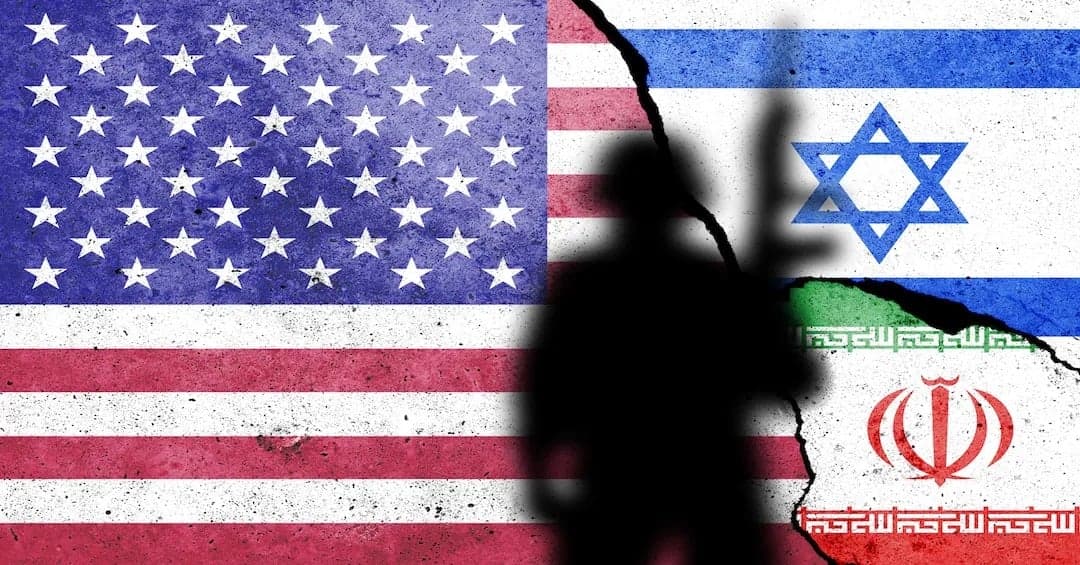
The White House's claim that its military campaign against Iran has been 'terminated' — while hostilities may merely be reframed — echoes the ancient prophetic warning against leaders who cry 'Peace, peace' when there is no peace, plastering a whitewashed wall over a structure already cracking.
Ezekiel 13:10-11
Direct Principle“Because they have misled my people, saying, 'Peace,' when there is no peace, and because, when the people build a wall, these prophets plaster it with whitewash, say to those who plaster it with whitewash that it shall fall! There will be a deluge of rain, and you, O great hailstones, will fall, and a stormy wind break out.”
Why this passage
Ezekiel 13 confronts the false prophets of Israel who proclaimed 'Shalom' over a nation in crisis, giving the people a false sense of security and forestalling genuine repentance and reckoning. The plain grammatical-historical sense is that God holds leaders accountable when their declarations of peace are a construction — a whitewashed wall — rather than genuine resolution.
The principle is not limited to Israel's cultic prophets; it addresses any ruling authority that manufactures narrative peace to serve political ends. The structural parallel — leaders declaring a conflict finished while the underlying conditions remain volatile — fits squarely within what Ezekiel condemns.
Ezekiel warned of prophets who daub a wall with whitewash, crying 'Peace!' when there is no peace — and God declares He will tear down what they have built. The spectacle of an administration pronouncing a war 'over' while the fires of conflict may still smolder is precisely this pattern: a narrative of resolution plastered over unresolved realities.
Hear, O reader: the peace that lasts is not the peace of press conferences, but the peace that passes understanding. Where men manufacture endings to justify their next beginning, the Word calls us to sobriety, discernment, and prayer.
Today's Prayer
Pray that God grant His people discernment to see through false declarations of peace, and that leaders in every nation be held accountable to truth rather than to the management of perception.
Further Scripture
Additional passages that illuminate this event, each grounded in a distinct interpretive lens.
“They have healed the wound of my people lightly, saying, 'Peace, peace,' when there is no peace.”
Why this passage
Jeremiah 8:11 is Jeremiah's indictment of Jerusalem's priests and prophets who offered superficial remedies to a nation facing catastrophic judgment — a 'light healing' of a wound that was mortal. The Hebrew shalom shalom (peace, peace) is emphatic, signaling the insistence of the false assurance rather than its truth.
The direct principle: powerful institutions that repeat assurances of security without the substance of genuine resolution are healing the wound lightly. The repetition of the declaration is itself a warning sign that the claim requires selling.
How it applies
An administration repeatedly insisting a war has been 'terminated' — deploying the language of conclusion to forestall legal accountability under the War Powers Act — enacts the pattern Jeremiah identified: the wound of conflict is being healed lightly, with words rather than with reality.
The believer is not called to cynicism but to sober watchfulness. Where peace is proclaimed loudly and often, Scripture counsels scrutiny rather than relief.
“While people are saying, 'There is peace and security,' then sudden destruction will come upon them as labor pains come upon a pregnant woman, and they will not escape.”
Why this passage
Paul's eschatological warning in 1 Thessalonians 5:3 describes a condition in the last days where declarations of peace and safety are the very atmosphere in which sudden, inescapable destruction arrives. The original near-horizon was the coming Roman destruction of Jerusalem and the broader Day of the Lord — a judgment that arrives precisely when leadership insists all is well.
The far-horizon application is to any era in which the rhetoric of resolution masks escalating danger. The prophetic pattern — false peace preceding sudden catastrophe — is not exhausted by any single historical fulfillment.
How it applies
When the White House frames a live military campaign against a nuclear-threshold state as already 'terminated,' the rhetorical structure matches precisely what Paul describes: 'peace and security' proclaimed at the moment when the underlying danger has not been resolved but merely reframed.
This does not set a prophetic timetable, but it does call the watching Christian to alertness rather than comfort — to pray and to discern, not to rest in official narratives.
“Your prophets have seen for you false and deceptive visions; they have not exposed your iniquity to restore your fortunes, but have seen for you oracles that are false and misleading.”
Why this passage
Lamentations 2:14 is the poet's indictment, in the aftermath of Jerusalem's fall, of the prophets who gave the city visions of reassurance rather than truthful assessment. The Hebrew chazot shav — 'visions of vanity/falsehood' — describes a pattern of misleading the people through narratives that feel authoritative but are untethered from reality.
The wisdom-application: any governing class that constructs narratives of resolution to manage perception rather than to reveal truth is performing the same function as Jerusalem's false prophets — and invites the same eventual unmasking by events.
How it applies
The article's central concern — that a war is being 'reframed' as concluded for political and legal purposes while the underlying conflict continues — reflects the pattern Lamentations memorializes: visions that are false and misleading, given not to expose reality but to preserve the power of those offering them.
The Christian reader is reminded that the collapse of Jerusalem vindicated the true prophets who refused to comfort. Reality, Scripture insists, is not indefinitely manageable by narrative.
Related by Scripture
Other events we've interpreted through the same passage or hermeneutical lens.
Iran Shuts Hormuz As Middle East Peace Talks Enter Dire Straits
Wars & Rumors of WarsShares 1 Thessalonians 5:3Iran US Israel war Live Updates: Trump And Pezeshkian End War Through Digital Signatures, Ships Transit Hormuz
Peace & Security DeclarationsShares 1 Thessalonians 5:3Iran's Deal With Washington Is A Pause, Not A Peace
Wars & Rumors of WarsShares 1 Thessalonians 5:3Trump signs initial deal to end war in Iran and open Strait of Hormuz
Peace & Security DeclarationsShares 1 Thessalonians 5:3Pope Leo says 'thanks be to God' for interim US-Iran peace deal
Peace & Security DeclarationsShares 1 Thessalonians 5:3
Community launching soon
Get the invite by email when the Watchman's Wall opens
Share this article
Source: Globalresearch.ca— we link to the original for full context.