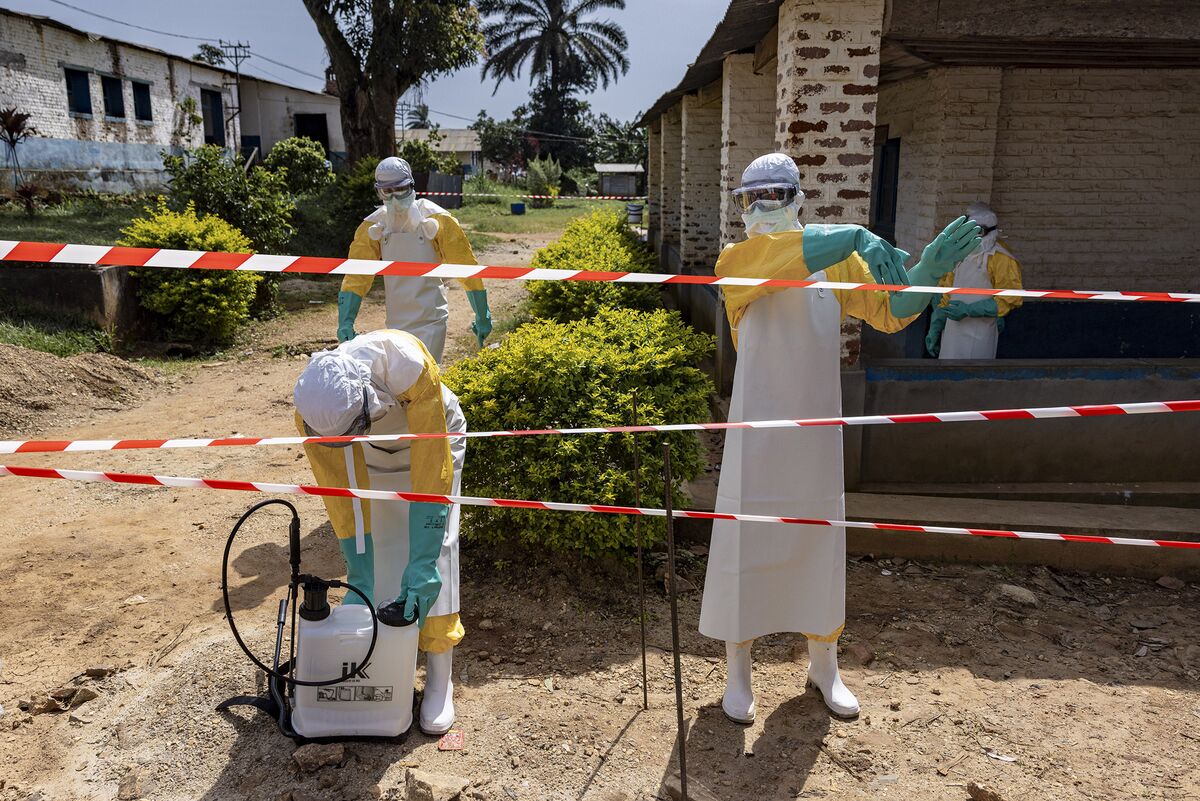
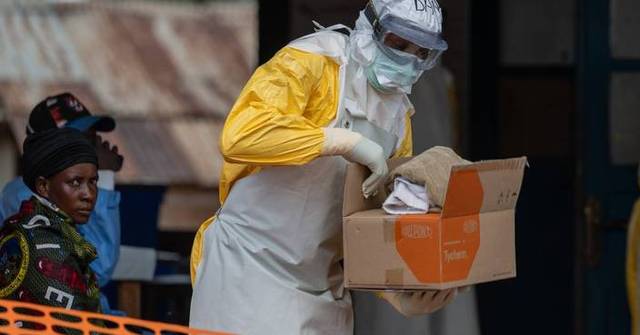
From COVID-19 to emerging disease outbreaks, global health threats continue to escalate in frequency and impact.
What Scripture says
In Luke 21, Jesus is responding to His disciples' questions about the signs preceding His return and the end of the age (v. 7). He warns them against deception and then outlines a series of events, including “great earthquakes, and in various places famines and pestilences; and there will be fearful sights and great signs from heaven” (v. 11). The term 'pestilences' (loimoi in Greek) refers to widespread diseases, plagues, or epidemics that cause widespread sickness and death. Crucially, Jesus prefaces these signs by stating, “These things must take place first, but the end will not be at once” (v. 9). He further clarifies in Matthew's parallel account that these are 'the beginning of the birth pains' (Matthew 24:8; see also Mark 13:8). This imagery suggests an escalating intensity and frequency, much like labor pains that precede the birth itself. Thus, Luke 21:11 does not describe the very end, but rather a preparatory period, marked by increasing global distress, serving as indicators that God's prophetic timeline is advancing.
How we recognize it today
The patterns in today's world offer compelling alignment with Jesus’ prophecy concerning pestilences. We are witnessing an undeniable escalation in global health threats, both in frequency and impact. From the widespread reach of COVID-19 to the continuous emergence and re-emergence of diseases like Ebola, MERS, Zika, and various strains of influenza, the world is increasingly grappling with health crises that cross borders rapidly. Factors such as increased global travel, interconnected economies, and sometimes, environmental shifts contribute to the swift propagation of these illnesses. While plagues have existed throughout history, the current era is marked by a heightened sense of vulnerability and a demonstrable increase in the speed and scale at which these diseases can disrupt societies. We recognize these trends not as a pinpointing of the exact end-time, but as observable indicators aligning with the 'birth pains' Jesus described, signaling a deepening fulfillment of His prophetic word and prompting spiritual awareness.
The major interpretive views
Within orthodox evangelical Christianity, the interpretation of Luke 21:11 largely falls into several camps, though with common ground. The prevailing **futurist** view understands these 'pestilences' as signs that will intensify and become more frequent as the return of Christ approaches, particularly leading up to the Great Tribulation. These are seen as literal, increasing global health crises that serve as 'birth pains,' not the final event itself, but indicators that the time is near. **Amillennial and Postmillennial** perspectives, while acknowledging the reality of pestilence as a consequence of a fallen world and a feature of history, tend not to emphasize an accelerating frequency or intensity of these specific signs in the same way as futurists. They often view these as ongoing realities that have occurred throughout history and will continue until Christ’s return or the full establishment of His kingdom. Some **partial preterists** might see an initial fulfillment of these prophecies in the events surrounding 70 AD and the destruction of Jerusalem, while also acknowledging a broader, future application. Regardless of the specific eschatological framework, most evangelical views agree that Luke 21:11 warns of real, widespread disease, and that believers should be spiritually prepared and actively engaged in compassionate ministry, recognizing God's sovereignty over all events.
Reading this prophecy without panic
For the 40-60 year old American Christian, the prophecy of pestilence should evoke not panic, but purposeful vigilance and steadfast hope. These signs are not meant to terrify us, but to remind us that God is sovereign, and His word is true. Respond with unwavering trust in Christ, who has overcome the world. Cultivate a spirit of readiness and discernment, living each day with eternity in view (Matthew 24:44). Engage in practical compassion, supporting those afflicted by illness, praying for healing, and demonstrating the love of Christ in tangible ways (James 1:27). Lastly, allow these signs to deepen your commitment to sharing the Gospel—the ultimate antidote to fear and the only true hope for a fallen world. As unsettling as these events may seem, they ultimately point to the glorious return of our Savior.
Frequently asked questions
- What does pestilence and plagues mean in simple terms?
- In simple terms, pestilence and plagues refer to widespread, often severe, and highly contagious diseases that rapidly affect a large portion of a population, causing illness, suffering, and death. Historically, they have been seen as significant calamities, often accompanied by famine or war, impacting entire communities and nations. From a biblical perspective, they are also recognized as signs within God's prophetic timeline.
- Why does pestilence and plagues matter today?
- Pestilence and plagues matter today because they serve as powerful reminders of our human fragility, the brokenness of the world, and the accuracy of biblical prophecy. For believers, they are not just medical crises but also spiritual indicators, calling us to a deeper walk with God, to prayer, and to compassionate action. They prompt us to consider eternity and the promised return of Jesus Christ, urging us to live lives of faith and readiness.
- Is pestilence and plagues happening now?
- Yes, we are currently witnessing a significant increase in the frequency and impact of global health threats, aligning with the 'in-progress' status of this prophecy. The recent COVID-19 pandemic and ongoing outbreaks of various diseases around the world are clear examples. While these events do not pinpoint an exact end-time date (as 'no one knows the day or the hour'), they undeniably correspond with the 'birth pains' described in Scripture, indicating we are in a season of increasing fulfillment of these prophetic signs.
Verse commentary
Read the full meaning of Luke 21:11 →Scripture meanings related to this prophecy
- Luke 21:25“There will be signs in the sun, moon and stars. On the earth, nations will be in anguish and perplexity at the…”
- Luke 6:27-28““But to you who are listening I say: Love your enemies, do good to those who hate you, bless those who curse y…”
- Matthew 24:6“You will hear of wars and rumors of wars, but see to it that you are not alarmed. Such things must happen, but…”
- Matthew 24:14“And this gospel of the kingdom will be proclaimed throughout the whole world as a testimony to all nations, an…”
- Matthew 24:36“But concerning that day and hour no one knows, not even the angels of heaven, nor the Son, but the Father only…”
- Matthew 24:42“Therefore, stay awake, for you do not know on what day your Lord is coming.”
Related signs to follow
This deep-dive is denomination-neutral and grounded in Scripture. It does not predict dates for the return of Jesus — “no one knows the day or the hour” (Matthew 24:36).