Luke 21:11 meaning in plain English
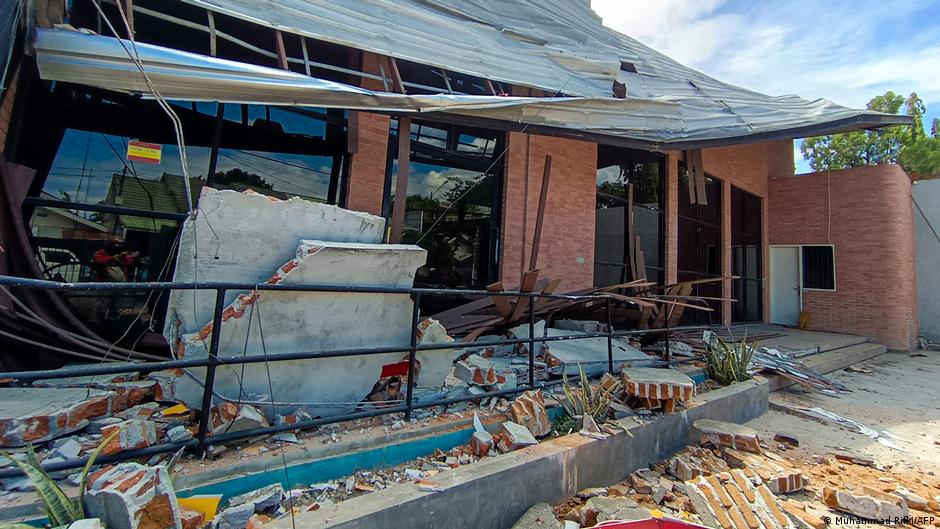
Luke 21:11 is a part of Jesus' teaching on the Mount of Olives, often called the Olivet Discourse. In this verse, Jesus describes specific signs that will precede significant historical events and His eventual return. He mentions natural disasters like great earthquakes, famines, and widespread diseases (pestilences) occurring in different locations. Additionally, He speaks of "fearful events" and "great signs from heaven," pointing to unusual phenomena that will capture attention and perhaps inspire dread. These events are not meant to terrify believers, but rather to serve as indicators, reminding us of God's overarching plan and calling us to watchfulness and steadfast faith.
Historical context
Jesus delivered this teaching to His disciples on the Mount of Olives shortly before His crucifixion, as recorded in Luke 21, Matthew 24, and Mark 13. The disciples had asked Him about the timing of the Temple's destruction and the signs of His coming (Luke 21:7). Jesus’ response addresses both the impending destruction of Jerusalem in A.D. 70 and the ultimate signs pointing to His second coming at the end of the age. Therefore, the original audience was His immediate followers, but the message was preserved for all future generations of believers. This discourse prepares them, and us, for challenging times and encourages spiritual vigilance amidst turmoil, ensuring they would not be misled by false prophets or feel despair.
Theological significance
The events described in Luke 21:11 hold significant theological weight, often interpreted as 'birth pains' leading up to a major event, not the event itself (Matthew 24:8). Many scholars understand this passage to have a dual fulfillment. First, it pointed to the calamitous events that occurred before the Roman destruction of Jerusalem and its Temple in A.D. 70, a period marked by actual earthquakes, famines, and political unrest in the region. Second, it refers to ongoing and intensifying signs that will precede the glorious return of Jesus Christ. The mention of natural disasters and celestial signs reminds us that creation itself is impacted by sin and groans for redemption (Romans 8:22). While these signs can be unsettling, Jesus' primary message is one of endurance and hope, not fear (Luke 21:9, 19). They serve as a call for spiritual preparation, reinforcing the biblical truth that God is sovereign over all events, guiding history toward His ultimate purposes. Believers are encouraged to live with expectation, understanding that God remains in control even amidst global upheaval.
Application today
For Christians today, particularly those aged 40-60, Luke 21:11 offers practical encouragement and a call to a faithful perspective. In a world often shaken by natural disasters, disease outbreaks, and unsettling global events, this verse reminds us not to be "terrified" (Luke 21:9). Instead, we can view these occurrences through a biblical lens, recognizing them as potential signals of God's unfolding plan, rather than mere random catastrophes. This passage encourages spiritual readiness, urging us to deepen our faith, engage in prayer, and live lives that reflect Christ's love and truth. It prompts us to share the enduring hope we have in Jesus with others who may be fearful or without comfort. Ultimately, Luke 21:11 calls us to steadfastness, trusting that despite the world's turmoil, God is sovereign and His promises will be fulfilled.
Related passages
Luke 21:11 finds strong parallels and deeper understanding when read alongside other biblical passages. Matthew 24:7-8 is a direct parallel within the Olivet Discourse, stating, "Nation will rise against nation, and kingdom against kingdom. There will be famines and earthquakes in various places. All these are the beginning of birth pains." This confirms the idea that these events are not the end, but signs leading up to it, much like labor pains. Mark 13:8 offers a similar account, again referring to these as the "beginning of birth pains," underscoring the consistent message across the Synoptic Gospels. Romans 8:22 offers a broader theological connection, speaking of the whole creation groaning as in the pains of childbirth, which helps us understand why the natural world itself experiences such distress. Finally, passages in Revelation, such as Revelation 6:12-14, describe similar cosmic disturbances and natural calamities as part of God's judgments in the end times, further illustrating the 'great signs from heaven' mentioned in Luke 21:11.
Frequently asked questions
- What does Luke 21:11 mean in simple terms?
- In simple terms, Luke 21:11 means that before major prophetic events, including Jesus' eventual return, there will be noticeable signs in the world. These signs include widespread natural disasters like large earthquakes, periods of famine, and outbreaks of disease. There will also be unusual and frightening events, potentially in the skies. Jesus teaches us that these are indicators that God's plan is moving forward, and believers should observe them with watchfulness and faith, rather than fear.
- What is the context of Luke 21:11?
- Luke 21:11 is part of Jesus' teaching on the Mount of Olives, often called the Olivet Discourse, which is also recorded in Matthew 24 and Mark 13. Jesus was responding to His disciples' questions about when the Temple in Jerusalem would be destroyed and what signs would mark His second coming. So, this verse sits within a larger prophecy that speaks both to events leading up to the destruction of Jerusalem in A.D. 70 and to the broader signs that will precede the ultimate end times and Christ's glorious return.
- How does Luke 21:11 apply to Christians today?
- For Christians today, Luke 21:11 is a reminder to remain spiritually alert and grounded in faith, especially when faced with global turmoil. It encourages us not to be overwhelmed by the news of natural disasters, diseases, or unsettling world events, but to see them as potential prompts to reflect on God's sovereignty and His promises. This verse calls us to live purposefully, share the hope of Christ, and persevere in our faith, knowing that God is in control and working all things according to His divine plan.
- What other Bible verses are related to Luke 21:11?
- Several other Bible verses are closely related to Luke 21:11. Matthew 24:7-8 and Mark 13:8 are parallel passages from Jesus' Olivet Discourse, also listing earthquakes, famines, and diseases as the "beginning of birth pains." Romans 8:22 speaks of all creation groaning, helping us understand the connection between the fallen world and natural calamities. Additionally, verses like Revelation 6:12-14 describe cosmic disturbances and natural events that align with the 'great signs from heaven' mentioned by Jesus, providing further end-times context.
Save this for later:
Pin to PinterestThis commentary is denomination-neutral and grounded in Scripture. It does not predict dates for the return of Jesus — “no one knows the day or the hour” (Matthew 24:36). Generated and reviewed against the 3611 News editorial policy.