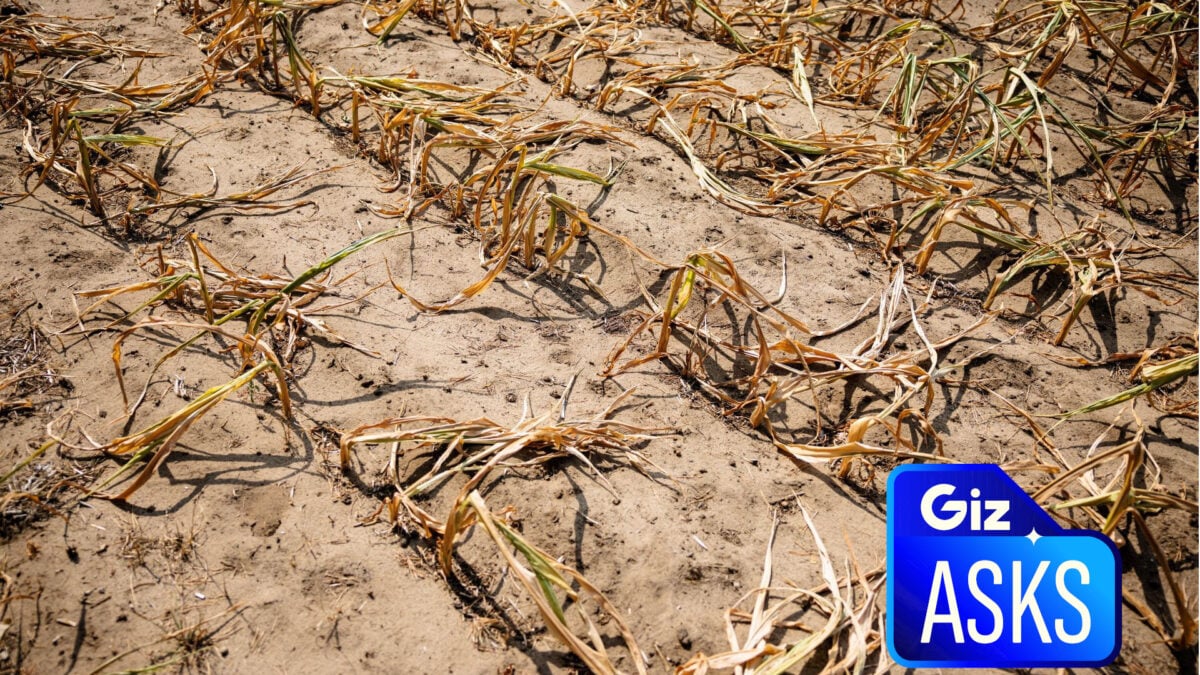
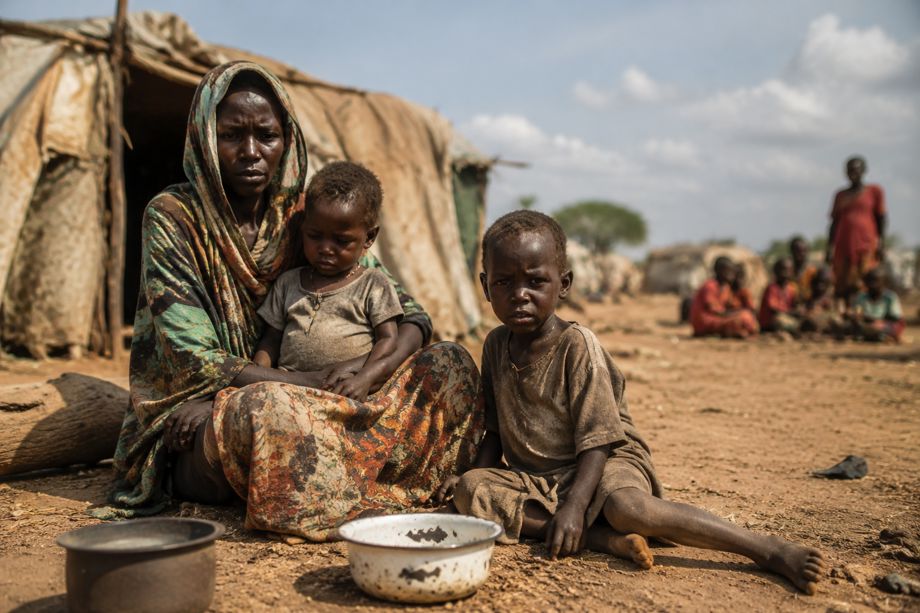
Global food insecurity continues to worsen, with hundreds of millions facing hunger across Africa, Asia, and the Middle East.
What Scripture says
In Matthew 24, Jesus' disciples ask Him about the timing of the temple's destruction and the signs of His coming and the end of the age (Matthew 24:3). Jesus responds with the Olivet Discourse, outlining a series of events that would precede His return. Among these, in verse 7, He states, 'For nation will rise against nation, and kingdom against kingdom, and there will be famines and earthquakes in various places.' This passage is paralleled in Mark 13:8 and Luke 21:11, where Luke adds 'pestilences' and 'fearful sights and great signs from heaven.' It's crucial to understand that Jesus describes these signs—wars, famines, earthquakes—not as the end itself, but as 'the beginning of birth pains' (Matthew 24:8). This imagery suggests an increase in frequency and intensity, much like labor pains preceding childbirth. Jesus indicates that these events will be widespread ('in various places'), not isolated incidents. He is preparing His followers for a period of increasing tribulation and distress that will characterize the era leading up to His glorious return, distinguishing these events from the final consummation.
How we recognize it today
Today, we observe patterns of global food insecurity that resonate with Jesus' prophecy of 'famines in various places.' While hunger has always been a human struggle, current reports indicate a widespread and persistent challenge. International organizations consistently track hundreds of millions of people facing acute food insecurity and hunger, particularly in regions across Africa, Asia, and the Middle East. These famines are often driven by a confluence of factors: prolonged conflicts disrupting agriculture and supply chains, economic instability diminishing purchasing power, and adverse weather events like droughts or floods impacting harvests. Unlike localized shortages of the past, modern interconnectedness means that disruptions in one region can ripple globally. While advancements in food production exist, the challenge of equitable distribution and access remains profound. This widespread and multifaceted nature of food crises aligns with the scriptural description of famines occurring 'in various places,' signifying a global trend rather than isolated incidents, and reminding us to be watchful, not to set dates.
The major interpretive views
Within orthodox evangelical Christianity, the prophecy of 'famines in various places' is understood through various interpretive lenses, though a common thread emphasizes its significance as a sign. Many view these famines as part of the 'beginning of birth pains' (Matthew 24:8), indicating a general worsening of conditions in the world as history progresses toward Christ's return. This perspective suggests that while famines have occurred throughout history, their increasing frequency, intensity, and global reach in the modern era could point to their eschatological significance. Amillennial and Postmillennial views often see these prophecies as applying throughout the entire church age, with famines being recurring signs that remind believers of Christ's sovereignty and the ongoing need for spiritual vigilance. Premillennial views, particularly Dispensationalism, tend to emphasize these signs as intensifying dramatically in the period immediately preceding Christ's return, especially during the Great Tribulation. Regardless of the specific eschatological timeline, most interpreters agree that 'famines' should be understood literally as widespread food shortages. The overarching consensus is that these events serve as a call to spiritual awareness and preparation, rather than a precise timetable, reminding us that no one knows the day or the hour.
Reading this prophecy without panic
For American Christians aged 40-60, the reality of famines in various places should evoke a response grounded in hope, not panic. Jesus told us these things would happen, not to terrify us, but to prepare us and strengthen our faith. Our primary calling is to 'seek first the kingdom of God and his righteousness' (Matthew 6:33), trusting in His providence even amidst global challenges. This prophecy calls us to compassion and action. As followers of Christ, we are urged to care for 'the least of these' (Matthew 25:40). Support organizations working to alleviate hunger, pray for those suffering, and be wise stewards of the resources God has given us. These 'birth pains' are a stark reminder of our desperate need for Christ's return and the establishment of His perfect kingdom. They should deepen our reliance on Him and inspire us to share the Gospel, offering eternal hope in a world grappling with temporal struggles.
Frequently asked questions
- What does famines in various places mean in simple terms?
- In simple terms, 'famines in various places' refers to widespread and severe food shortages occurring across many different regions globally. It means that significant numbers of people in multiple parts of the world are experiencing a lack of access to sufficient food, leading to hunger, malnutrition, and suffering, as described by Jesus in Matthew 24:7.
- Why does famines in various places matter today?
- Famines matter today for several reasons. Spiritually, they serve as a specific sign mentioned by Jesus, prompting us to be watchful and spiritually prepared. Practically, they are a powerful reminder of human suffering and our call as Christians to compassion and action. Experiencing or witnessing these events should drive us to prayer, generosity, and sharing the hope of Christ in a broken world, reinforcing that 'no one knows the day or the hour' but we are to be ready.
- Is famines in various places happening now?
- Yes, current global conditions indicate that famines and severe food insecurity are happening now. As a prophecy categorized as 'in-progress,' we observe widespread hunger affecting hundreds of millions, particularly in Africa, Asia, and the Middle East, driven by conflict, climate, and economic factors. While these events are not a definitive sign of the immediate end, they align with the 'birth pains' Jesus described, indicating a world experiencing increasing tribulation before His return.
Verse commentary
Read the full meaning of Matthew 24:7 →Scripture meanings related to this prophecy
- Matthew 24:6“You will hear of wars and rumors of wars, but see to it that you are not alarmed. Such things must happen, but…”
- Matthew 24:14“And this gospel of the kingdom will be proclaimed throughout the whole world as a testimony to all nations, an…”
- Matthew 24:36“But concerning that day and hour no one knows, not even the angels of heaven, nor the Son, but the Father only…”
- Matthew 24:42“Therefore, stay awake, for you do not know on what day your Lord is coming.”
- Matthew 24:9“Then they will hand you over to be persecuted and put to death, and you will be hated by all nations because o…”
- Matthew 24:11“And many false prophets will appear and deceive many people.”
Related signs to follow
This deep-dive is denomination-neutral and grounded in Scripture. It does not predict dates for the return of Jesus — “no one knows the day or the hour” (Matthew 24:36).