Why Do So Many Christians Ignore Conviction?
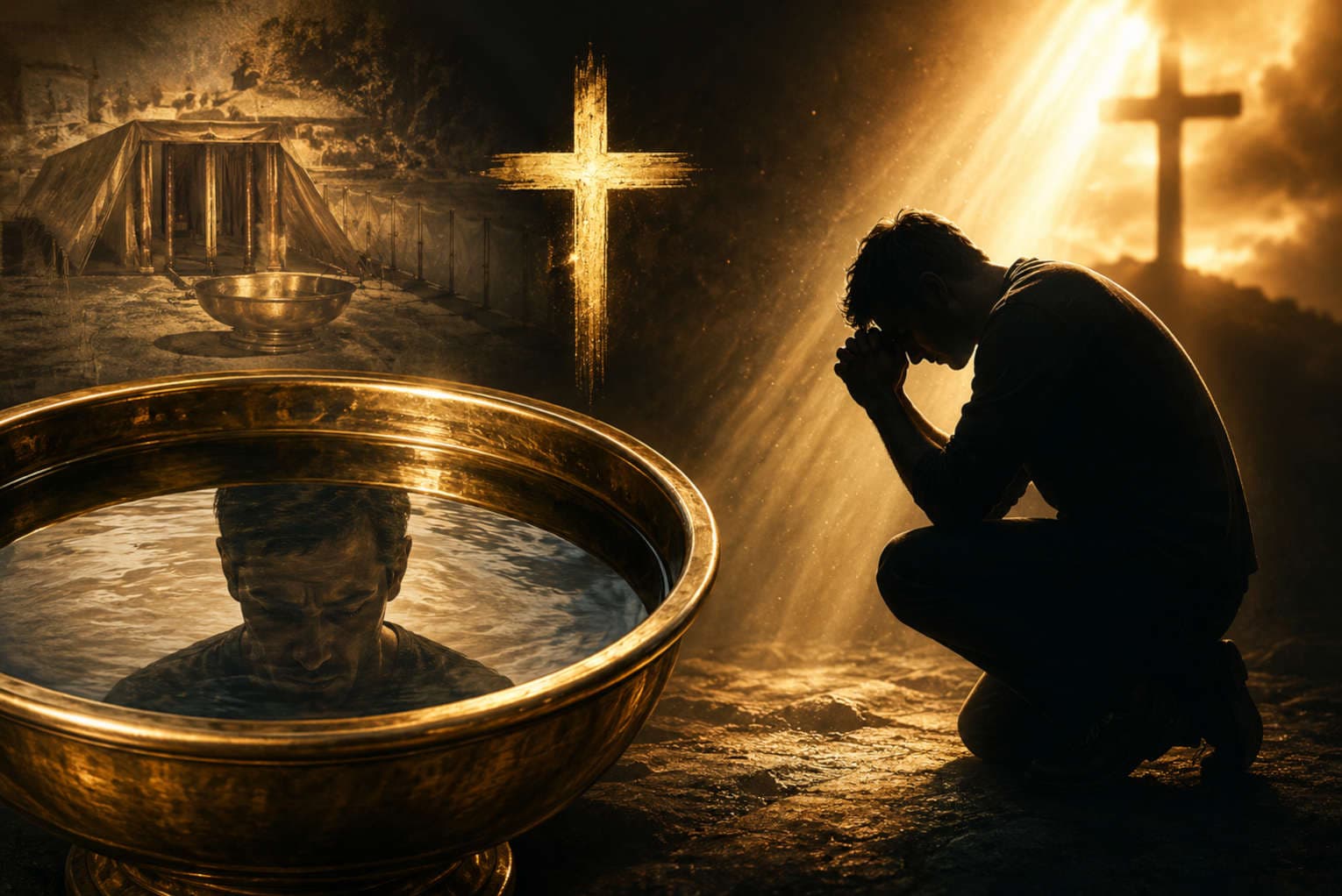
Rabbi Kirt Schneider warns that many Christians today resist conviction and repentance, preferring blessings over correction—a sign of spiritual decline that echoes biblical warnings about apostasy and a hardened heart.
2 Timothy 3:1-5
Prophetic Fulfillment“But understand this, that in the last days there will come times of difficulty. For people will be lovers of self, lovers of money, proud, arrogant, abusive, disobedient to their parents, ungrateful, unholy, heartless, unappeasable, slanderous, without self-control, brutal, not loving good, treacherous, reckless, swollen with conceit, lovers of pleasure rather than lovers of God, having the appearance of godliness, but denying its power. Avoid such people.”
Why this passage
Paul's warning to Timothy describes a specific pattern of moral and spiritual decay that will characterize the 'last days.' The list includes 'having the appearance of godliness, but denying its power'—a direct description of professing Christians who maintain religious forms while rejecting the transformative power of the Holy Spirit.
This passage is not merely about general immorality; it is about a religious apostasy where outward profession masks inward rebellion. The original audience would have understood this as a warning against the very kind of resistance to conviction that Rabbi Schneider identifies.
Historical context, theological significance, application today — denomination-neutral, ~1,000-word walk-through.
The brass laver in the tabernacle was no mere washbasin; it was a place of death to self, where priests paused before entering the presence of God. As Rabbi Schneider reminds us, conviction is not an enemy but a gift—a mirror held up by the Spirit to expose what must be cleansed.
Yet how many of us, like ancient Israel, prefer the comfort of blessing over the pain of repentance? Scripture declares, "If we confess our sins, He is faithful and just to forgive us our sins" (1 John 1:9).
The laver still stands; the question is whether we will stop to look into it.
Today's Prayer
Pray that believers would embrace conviction as a pathway to deeper holiness, rather than resisting the Spirit's correction.
Further Scripture
Additional passages that illuminate this event, each grounded in a distinct interpretive lens.
“Those whom I love, I reprove and discipline, so be zealous and repent.”
Why this passage
Christ's words to the church in Laodicea establish a foundational principle: divine reproof and discipline are expressions of love, not rejection. The command to 'be zealous and repent' ties conviction directly to the believer's response—zeal, not resistance.
This principle is universal across the New Testament: Hebrews 12:6 echoes it, and the pattern of prophetic rebuke in the Old Testament confirms that God's correction is always for restoration. The original context of Laodicea—a wealthy, self-sufficient church that thought it needed nothing—parallels modern Christians who feel spiritually secure while ignoring the Spirit's conviction.
How it applies
Rabbi Schneider's teaching that many Christians want blessings but not correction directly contradicts Christ's own words in Revelation 3:19. If believers ignore conviction, they are rejecting the very love of Christ, who disciplines those He loves.
This article highlights a church that, like Laodicea, is in danger of being spit out because it has grown comfortable with a form of godliness that refuses the refining fire of repentance.
“My people are destroyed for lack of knowledge; because you have rejected knowledge, I reject you from being a priest to me. And since you have forgotten the law of your God, I also will forget your children.”
Why this passage
Hosea pronounces judgment on Israel for rejecting the knowledge of God—not intellectual ignorance, but willful refusal to submit to His revealed will. The 'knowledge' here is covenantal, involving intimate obedience and recognition of God's authority.
This verse is a covenant warning: the people had the law but forgot it, had the priesthood but rejected its discipline. The result was destruction, not because God was harsh, but because they cut themselves off from the life that comes through submission to His word.
How it applies
The article describes Christians who ignore conviction—a form of rejecting the knowledge of God's holiness and His call to repentance. Like Hosea's Israel, they have access to the truth (the tabernacle imagery, the brass laver) but refuse to apply it.
This is not a minor oversight; it is a covenantal breach that leads to spiritual destruction, as the prophet warned.
Related by Scripture
Other events we've interpreted through the same passage or hermeneutical lens.
The Dem Establishment Goes All-In Against Platner
Moral DeclineShares 2 Timothy 3:1-5Britain doesn’t need another national conversation about death, it needs hope
Moral DeclineShares Hosea 4:6Three Reasons Why Christians Are So Ill-Equipped To Defend God’s Word
Apostasy & Falling AwayShares Hosea 4:6Bethel Church Announces Third-Party Investigation
Apostasy & Falling AwayShares 2 Timothy 3:1-5
Community launching soon
Get the invite by email when the Watchman's Wall opens
Share this article
Source: mycharisma— we link to the original for full context.