Three Reasons Why Christians Are So Ill-Equipped To Defend God’s Word
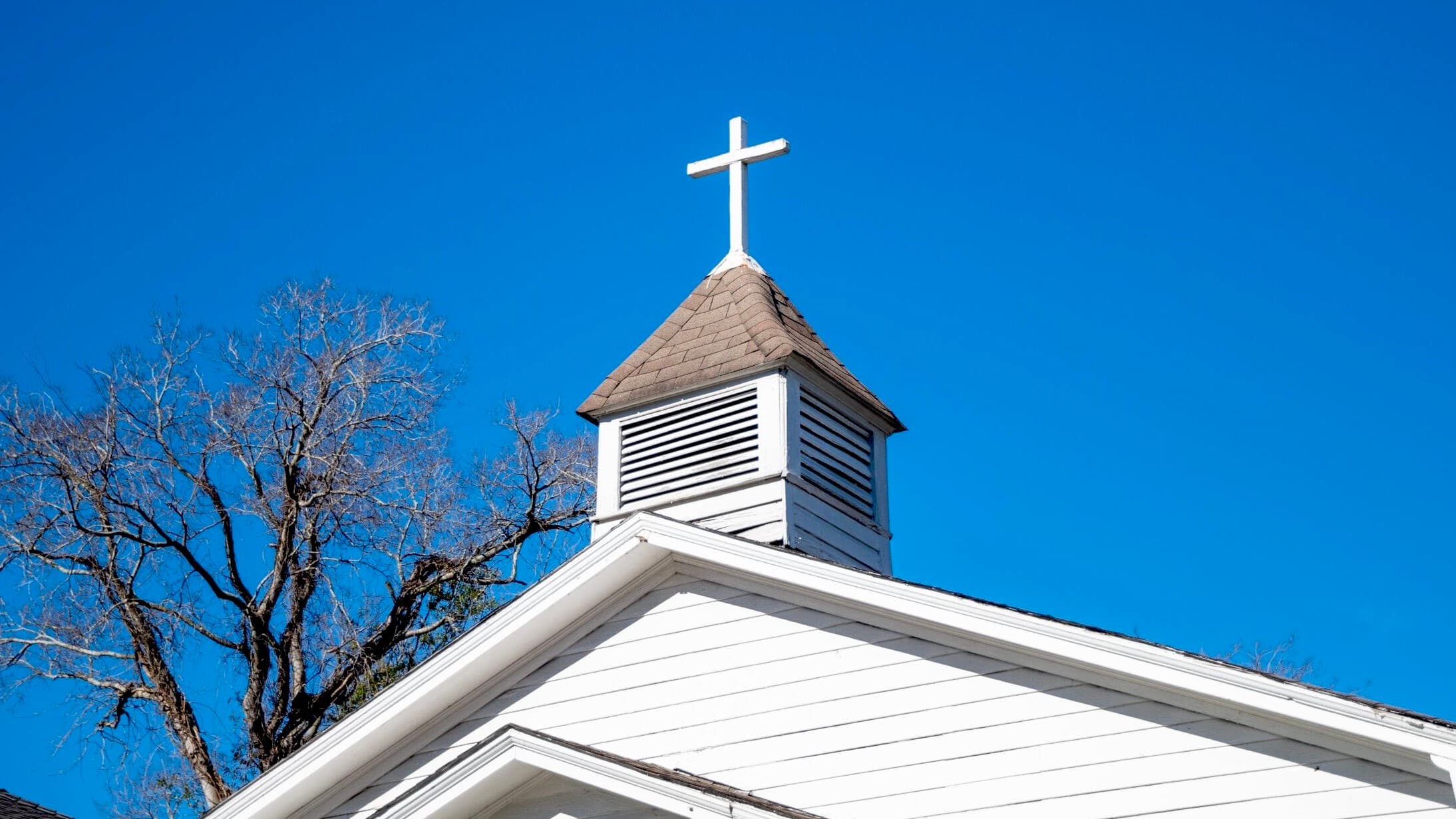
Decades of neglecting biblical apologetics and foundational teaching — particularly on Genesis — have left generations of churchgoers unable to defend God's Word, a pattern Scripture identifies as a sign of perilous spiritual decline within the household of faith.
Hosea 4:6
Direct Principle“My people are destroyed for lack of knowledge; because you have rejected knowledge, I reject you from being a priest to me. And since you have forgotten the law of your God, I also will forget your children.”
Why this passage
Hosea 4:6 is God's direct indictment of Israel's priestly class and people for abandoning covenantal knowledge — not merely intellectual information, but the living, authoritative knowledge of God's revealed Word. The plain sense is unmistakable: spiritual ruin follows when a covenant community neglects the teaching and transmission of God's law.
The principle is not limited to Israel's theocracy; wherever God has a people who bear His name and fail to steward the knowledge He has revealed, the same pattern of destruction follows. The article describes exactly this mechanism — generations formed in church settings but left without the doctrinal and apologetic content needed to stand, a church that 'forgot the law' in its foundational chapters.
Hosea's indictment rings across the centuries: 'My people are destroyed for lack of knowledge; because you have rejected knowledge, I reject you from being a priest to me.' The destruction the prophet named was not always military — it was first doctrinal, a people who ceased to know the God who spoke in His Word.
When believers who have sat in pews for decades cannot answer a skeptic's first question about Genesis, that is not merely an education gap — it is the wound Hosea described, opened fresh in our own generation. The remedy is not more programs, but a return to feeding on the whole counsel of God from the foundation up.
Today's Prayer
Pray that pastors and teachers across the body of Christ would reclaim the full counsel of Scripture — from Genesis to Revelation — equipping their congregations to give a reason for the hope within them and to stand firm when the foundations are attacked.
Further Scripture
Additional passages that illuminate this event, each grounded in a distinct interpretive lens.
“For the time is coming when people will not endure sound teaching, but having itching ears they will accumulate for themselves teachers to suit their own passions, and will turn away from listening to the truth and wander off into myths.”
Why this passage
Paul writes to Timothy as a pastoral prophecy about the conditions that will characterize the last days within the visible church — not pagan society, but the community of professing believers. 'Sound teaching' (hygiainousē didaskalia) carries the sense of doctrinally healthy, whole instruction; its rejection produces not atheism but a substitute diet of comfortable myths.
The near horizon addressed Timothy's immediate pastoral challenges in Ephesus; the far horizon applies to any era in which the church trades rigorous doctrinal content for what audiences find pleasant. The article's account of churches systematically omitting apologetics and foundational Genesis teaching fits Paul's description of accumulated teachers who suit itching ears rather than equip saints.
How it applies
When congregations spend decades hearing sermons that never engage the hard questions of Genesis, origins, or the authority of Scripture, they have been shaped — whether intentionally or not — by the 'itching ears' dynamic Paul foresaw. The skeptic's question goes unanswered not because the answer doesn't exist, but because the teaching that would have delivered it was never deemed worth the discomfort.
The wandering into 'myths' Paul warns of cuts both ways: secular myths about origins go unchallenged because the church abandoned the sound teaching that would expose them.
“but in your hearts honor Christ the Lord as holy, always being prepared to make a defense to anyone who asks you for a reason for the hope that is in you; yet do it with gentleness and respect,”
Why this passage
Peter's imperative is addressed to ordinary believers scattered under pressure — not professional theologians — and it assumes that the church's normal discipleship produces people capable of articulate, reasoned defense of the faith. The word 'apologia' (defense) is a legal term; Peter expects believers to be able to state their case.
The plain sense of the command is that unpreparedness is a failure of obedience, not merely a gap in skill. The responsibility is shared: the individual believer must be always prepared, which implies that those who form believers — pastors, teachers — bear responsibility for that formation.
How it applies
The article's central grief — 'I grew up in the church my whole life and never heard any of this' — is a direct confession that the command of 1 Peter 3:15 has gone unmet in congregation after congregation. Believers were present, but the preparation Peter commanded was absent.
This is not a secondary concern. Peter anchors the command in the lordship of Christ: to honor Christ as holy is to be ready to explain why He is worth trusting.
An unprepared church does not merely fail intellectually — it fails its confession.
“Therefore my people go into exile for lack of knowledge; their honored men go hungry, and their multitude is parched with thirst.”
Why this passage
Isaiah's oracle against Judah identifies lack of knowledge — specifically, failure to regard the work and word of the LORD (v. 12) — as the root cause of national exile and spiritual famine.
The 'honored men' (literally, 'glory,' the distinguished) go hungry, pointing to the fact that even those of apparent standing in the community are not exempt from the devastation that knowledge-neglect produces.
Applied as wisdom-pattern, Isaiah names what happens across generations when the people of God are satisfied with religious form while the substance of knowing God's Word atrophies: a kind of spiritual exile sets in — displacement from the very ground of faith.
How it applies
Christians who have spent lifetimes in the church but cannot engage a single skeptical challenge to Genesis are experiencing a quiet form of the exile Isaiah described — not geographic, but epistemic and spiritual, cut off from the fortifying knowledge their tradition possessed and failed to transmit.
The 'parched thirst' of Isaiah's image captures what the article documents: a generation spiritually hungry, present in sanctuaries week after week, yet never fed the foundational truth that would have grounded and defended their faith.
Related by Scripture
Other events we've interpreted through the same passage or hermeneutical lens.
‘I’ve finally found God without all the extras’: behind the surge in people converting to Progressive Judaism
Apostasy & Falling AwayShares 2 Timothy 4:3-4Britain doesn’t need another national conversation about death, it needs hope
Moral DeclineShares Hosea 4:6As Biblical Christianity Weakens In The West, More People Turn To The Occult To Fill The Gap
False Prophets & DeceptionShares 2 Timothy 4:3-4Georgian Orthodox Church elects new leader at fraught time for the influential institution
Apostasy & Falling AwayShares 2 Timothy 4:3-4Historic and Divisive: Pope Leo Hosts First Female Archbishop of Canterbury at the Vatican
Apostasy & Falling AwayShares 2 Timothy 4:3-4
Community launching soon
Get the invite by email when the Watchman's Wall opens
Share this article
Source: harbingersdaily— we link to the original for full context.