What is El Niño and how could it affect weather this year?
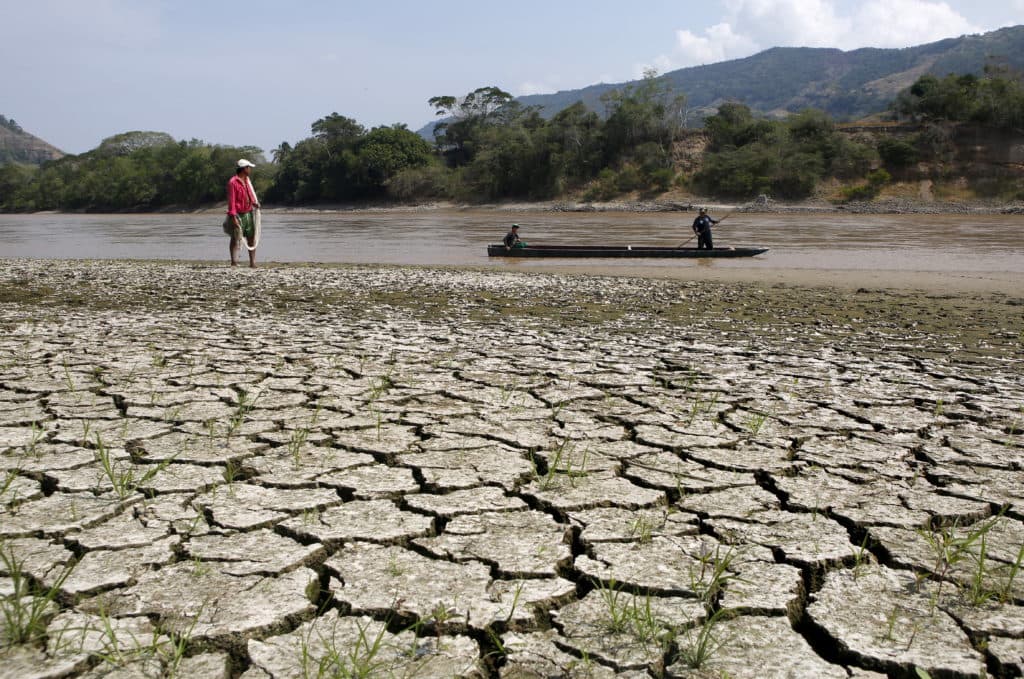
El Niño, a natural climate pattern, is forecast to bring extreme weather including heavy rains and droughts, echoing biblical warnings of natural disasters as signs of the times.
Amos 4:7-8
Direct Principle“I also withheld the rain from you when there were yet three months to the harvest; I would send rain on one city, and send no rain on another city; one field would have rain, and the field on which it did not rain would wither; so two or three cities would wander to another city to drink water, and would not be satisfied; yet you did not return to me, declares the LORD.”
Why this passage
In its original context, Amos 4:7-8 is part of a series of judgments God brought on Israel—including drought and crop failure—to call them to repentance. The passage emphasizes that God sovereignly controls weather patterns, sending rain or withholding it as a means of discipline and warning.
This principle is not limited to ancient Israel. Scripture consistently portrays God as the Lord over creation (Psalm 135:7, Jeremiah 10:13).
El Niño, as a natural phenomenon, operates within God's sovereign ordering of the climate, and its extreme effects can serve as a similar call to repentance for nations today.
Behold, the Lord declares in Amos 4:7-8, 'I also withheld the rain from you... yet you did not return to me.' El Niño's droughts and floods are not random—they are reminders that creation groans under sin and awaits redemption.
Yet take heart, for Christ calms the storm. These weather patterns call us to repentance and faith, not fear.
Let every drought and downpour drive you to the One who holds the winds in His fists.
Today's Prayer
Pray that believers would see extreme weather as a call to repentance and trust in God's sovereignty, and that many would turn to Christ amid natural upheavals.
Further Scripture
Additional passages that illuminate this event, each grounded in a distinct interpretive lens.
“There will be great earthquakes, and in various places famines and pestilences. And there will be terrors and great signs from heaven.”
Why this passage
In Luke 21:11, Jesus lists natural disasters—including famines (often caused by drought) and 'terrors'—as signs preceding His return. The phrase 'in various places' indicates regional rather than universal events, matching the localized effects of El Niño.
The original audience understood these as birth pains of the age to come, not isolated weather events. Jesus' prophecy encompasses all such phenomena as part of the pattern leading to His coming.
How it applies
El Niño's potential to cause both droughts (leading to famine) and floods (terrors) fits Jesus' description of 'famines' and 'terrors' in various places. The article's mention of extreme weather events aligns with this prophetic sign.
Believers should recognize these weather patterns as part of the birth pains Jesus foretold, not as mere climate anomalies. They call for watchfulness and readiness for the Lord's return.
Related by Scripture
Other events we've interpreted through the same passage or hermeneutical lens.
Florida shaken by 6.1-magnitude earthquake off coast of Cuba
Earthquakes & Natural DisastersShares Luke 21:11Spielberg says 'DISCLOSURE DAY' will raise theological questions...
UFOs, UAP & Signs in the HeavensShares Luke 21:11Deadly Philippines Earthquake Puts Disaster Resilience Under Global Spotlight
Earthquakes & Natural DisastersShares Luke 21:11‘I fear people will go to war over water’: as wells run dry, farmers struggle to survive in Bangladesh
FaminesShares Amos 4:7-8Devastation in General Santos: Rescuers Race Against Time Amid Earthquake Aftermath
Earthquakes & Natural DisastersShares Luke 21:11
Community launching soon
Get the invite by email when the Watchman's Wall opens
Share this article
Source: PBS— we link to the original for full context.