US says shot down Iran drones in fresh escalation
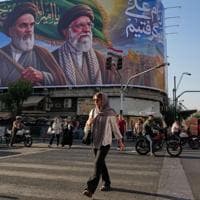
The US shooting down Iranian drones near the Strait of Hormuz marks a dangerous expansion of conflict, echoing biblical prophecies of nations rising against nations and the spread of war like a flood.
Joel 3:9-10
Prophetic Fulfillment“Proclaim this among the nations: Prepare war; stir up the mighty men. Let all the men of war draw near; let them come up. Beat your plowshares into swords, and your pruning hooks into spears; let the weak say, 'I am a warrior.'”
Why this passage
In its original context, Joel 3 is a prophecy of the Lord gathering all nations to the Valley of Jehoshaphat for judgment, using the language of war preparation as a summons. The verse inverts the peace of Micah 4:3, showing that in the last days, nations will abandon peace for conflict.
The plain sense is a divine call to the nations to ready themselves for battle—a pattern that recurs throughout history but finds ultimate fulfillment in the end-times gathering of nations against God's purposes. The US-Iran confrontation at a global maritime chokepoint exemplifies this summons to war, as a new front opens beyond the original conflict.
Behold, the prophet Joel declares, "Proclaim this among the nations: Prepare war; stir up the mighty men. Let all the men of war draw near; let them come up" (Joel 3:9).
This ancient call echoes today as the United States and Iran confront each other at the Strait of Hormuz, a strategic chokepoint for global energy.
The conflict that began in one theater now threatens to draw in more nations, fulfilling the pattern Scripture warns of—war spreading like a consuming fire. Take heed, O reader, for the Lord's Word does not return void; these events are a trumpet call to watch and pray.
Today's Prayer
Pray for the peace of Jerusalem and for the nations entangled in this widening conflict, that hearts would turn to Christ before the final trumpet sounds.
Further Scripture
Additional passages that illuminate this event, each grounded in a distinct interpretive lens.
“Why do the nations rage and the peoples plot in vain? The kings of the earth set themselves, and the rulers take counsel together, against the Lord and against his Anointed, saying,”
Why this passage
Psalm 2 is a royal psalm describing the futile rebellion of earthly rulers against God's sovereign rule. The 'raging' of nations is a recurring principle: human power structures inevitably rise in pride and hostility, whether against God directly or through conflict among themselves.
The psalm's plain meaning is that all such raging is ultimately vain—God laughs from heaven. This principle applies to any escalation where nations confront each other, as the US and Iran do here, because their conflict reflects the deeper rebellion of the human heart against divine authority.
How it applies
The US and Iran, two nations with vast military power, are 'raging' against each other at the Strait of Hormuz, a flashpoint that could draw in other powers. This confrontation is a vivid example of the nations' futile plotting, reminding believers that such conflicts are ultimately under God's sovereign control and will not thwart His purposes.
Related by Scripture
Other events we've interpreted through the same passage or hermeneutical lens.
Israeli attack on Tyre in Lebanon kills eight as evacuation ordered for Christian quarter
Wars & Rumors of WarsShares Joel 3:9-10Eight killed in south Lebanon strike as Israel warns entire city to evacuate
Wars & Rumors of WarsShares Joel 3:9-10Middle East crisis live: People flee Lebanese city of Tyre after Israel orders evacuation ahead of strikes
Wars & Rumors of WarsShares Joel 3:9-10Israel and Iran trade strikes, threatening to drag the region back into full-scale war
Wars & Rumors of WarsShares Psalm 2:1-2NATO drills aimed at practicing coordination during potential anti-Russia operation — MP
Wars & Rumors of WarsShares Joel 3:9-10
Community launching soon
Get the invite by email when the Watchman's Wall opens
Share this article
Source: Hurriyet Daily News— we link to the original for full context.