JUST IN: Trump Responds After Israel and Iran Continue Fighting Overnight – UPDATE: Iran Announces It Will Halt Attacks (VIDEO)
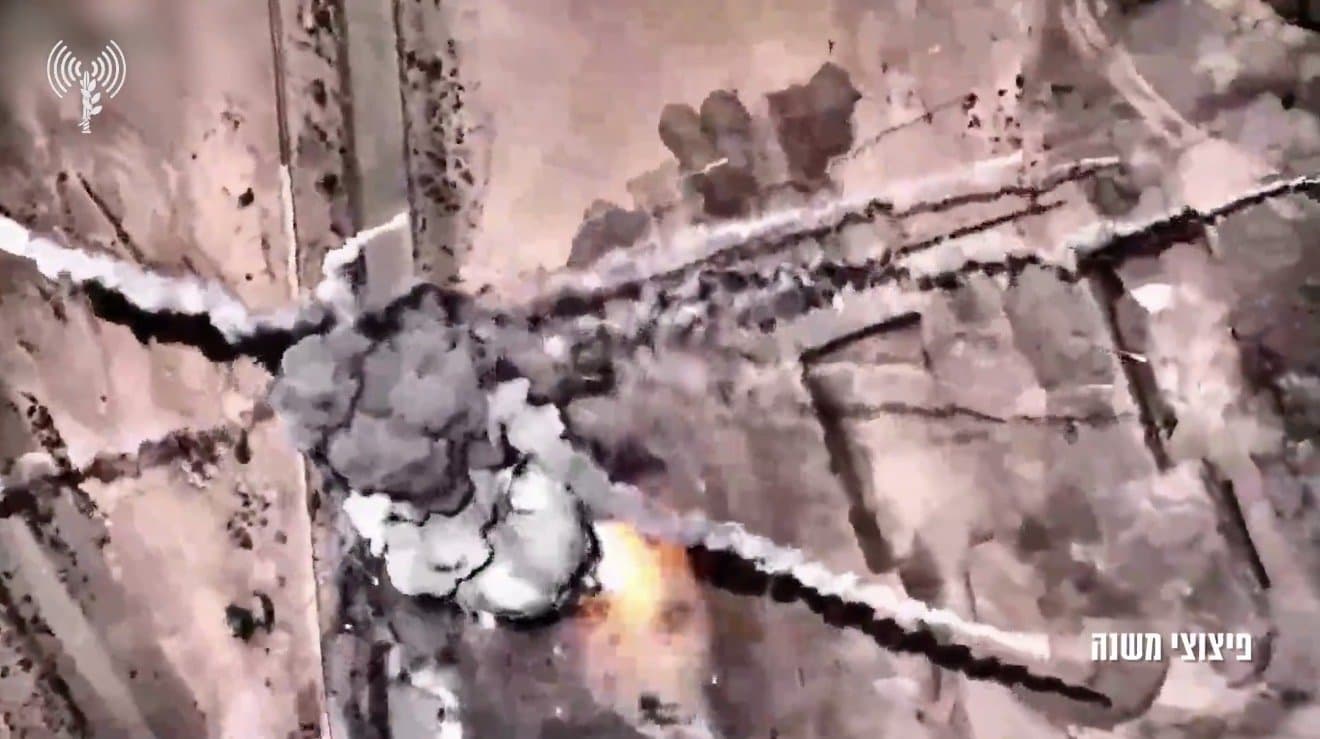
Overnight fighting between Israel and Iran, followed by Iran's announcement to halt attacks, echoes the biblical pattern of nations rising against Israel and the precarious peace that precedes greater conflict.
Joel 3:9-10
Prophetic Fulfillment“Proclaim this among the nations: Prepare war; stir up the mighty men. Let all the men of war draw near; let them come up. Beat your plowshares into swords, and your pruning hooks into spears; let the weak say, 'I am a warrior.'”
Why this passage
Joel 3:9-10 is a prophetic summons to the nations for a final gathering against God's people in the Valley of Jehoshaphat (Jerusalem's vicinity). The original context is a future day of the Lord when God judges the nations for their treatment of Israel.
The command to reverse the peace of Isaiah 2:4—beating plowshares into swords—indicates a time when war preparation becomes the norm.
This passage legitimately extends to the current Iran-Israel conflict because it describes the very pattern we see: nations actively preparing and engaging in war against Israel, with Iran's military actions and subsequent halt fitting the ebb and flow of this prophetic scenario.
Behold, the Lord declares through the prophet Joel: 'Proclaim this among the nations: Prepare war; stir up the mighty men. Let all the men of war draw near; let them come up.' (Joel 3:9) The overnight clash between Israel and Iran is a stark reminder that the nations are being summoned to a final confrontation, even as a temporary halt is announced.
Take heed, O reader: a pause in hostilities is not peace. Scripture warns that when men cry 'Peace and safety,' sudden destruction comes (1 Thessalonians 5:3).
Let this news stir your heart to watchfulness, not complacency.
Today's Prayer
Pray for the peace of Jerusalem and for the salvation of both Israelis and Iranians, that many would turn to Christ before the final storm breaks.
Further Scripture
Additional passages that illuminate this event, each grounded in a distinct interpretive lens.
“Behold, I am about to make Jerusalem a cup of staggering to all the surrounding peoples. The siege of Jerusalem will also be against Judah. On that day I will make Jerusalem a heavy stone for all the peoples. All who lift it will surely hurt themselves. And all the nations of the earth will gather against it.”
Why this passage
Zechariah 12:2-3 is a prophecy about Jerusalem becoming a burdensome stone that causes injury to all nations that try to move it. The original context is a future siege of Jerusalem where God defends His city.
The phrase 'all the nations of the earth' indicates a global scope, not merely local conflicts.
This passage applies to the Iran-Israel conflict because Iran, a major non-Arab nation, is actively engaging Israel militarily, fulfilling the pattern of 'all peoples' being drawn into confrontation over Jerusalem. The 'cup of staggering' describes the confusion and chaos that overtakes those who attack Jerusalem.
How it applies
Iran's overnight attacks on Israel and subsequent halt demonstrate the 'staggering' effect of opposing Jerusalem. The nation that lifts this heavy stone—Iran—finds itself forced to pause, illustrating the divine protection promised in Zechariah.
This event is a microcosm of the larger gathering of nations against Jerusalem that will culminate in Christ's return, when the stone becomes a mountain filling the earth (Daniel 2:35).
“Why do the nations rage and the peoples plot in vain? The kings of the earth set themselves, and the rulers take counsel together, against the Lord and against his Anointed, saying,”
Why this passage
Psalm 2 is a royal psalm describing the rebellion of earthly rulers against God and His Messiah. The original context is the coronation of Israel's king, but it prophetically points to the ultimate rejection of Christ by the nations.
The 'raging' of nations is a recurring biblical principle: human power structures naturally oppose God's rule.
This principle applies directly to the Iran-Israel conflict because Iran's leadership, in its rhetoric and actions, sets itself against God's covenant people and His purposes. The 'plotting in vain' is evident in the futility of Iran's attacks, which ultimately halt without achieving their goal.
How it applies
Iran's overnight attacks on Israel are a vivid example of the nations 'raging' against the Lord's Anointed. Despite military escalation, the attack halts—showing that such plots are ultimately 'in vain' against God's sovereign plan.
Christians should take comfort that no matter how fierce the nations rage, God laughs from heaven (Psalm 2:4) and His purposes for Israel and the Church will stand.
Related by Scripture
Other events we've interpreted through the same passage or hermeneutical lens.
Israeli attack on Tyre in Lebanon kills eight as evacuation ordered for Christian quarter
Wars & Rumors of WarsShares Joel 3:9-10Eight killed in south Lebanon strike as Israel warns entire city to evacuate
Wars & Rumors of WarsShares Joel 3:9-10Iran seeks new regional norm with strikes on Israel | The Jerusalem Post
Wars & Rumors of WarsShares Zechariah 12:2-3Erdogan-Trump connection may moderate strained Israel-Turkey relations | The Jerusalem Post
Israel & JerusalemShares Zechariah 12:2-3Middle East crisis live: People flee Lebanese city of Tyre after Israel orders evacuation ahead of strikes
Wars & Rumors of WarsShares Joel 3:9-10
Community launching soon
Get the invite by email when the Watchman's Wall opens
Share this article
Source: Thegatewaypundit.com— we link to the original for full context.