Iran medicine shortages worsened by war
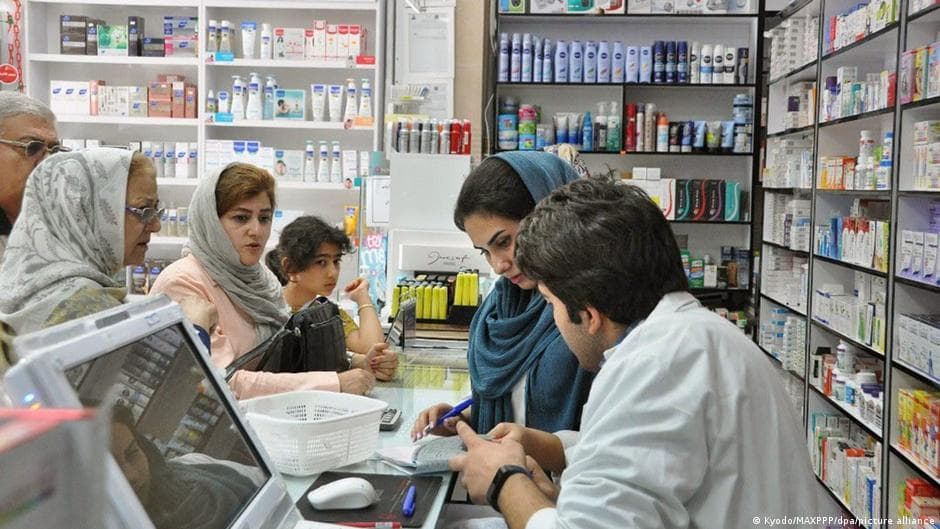
War and sanctions have disrupted medicine imports to Iran, causing shortages that threaten civilian health—a modern echo of the famine and scarcity that Scripture warns accompanies judgment on nations.
Joel 1:10-12
Prophetic Fulfillment“The fields are wasted, the land mourns; for the grain is wasted, the new wine dries up, the oil languishes. Be ashamed, O tillers of the soil; wail, O vinedressers, for the wheat and the barley, because the harvest of the field has perished. The vine dries up; the fig tree languishes. Pomegranate, palm, and apple, all the trees of the field are dried up, and gladness dries up from the children of man.”
Why this passage
Joel 1 describes a literal agricultural famine sent as divine judgment on Judah for their sins, calling the nation to repentance. The prophet uses the devastation of crops—grain, wine, oil, fruit trees—as a sign that God's hand is against them.
While the specific crops differ, the principle remains: war and conflict disrupt the basic necessities of life, including medicine. The 'gladness drying up' from the children of man is a universal consequence of scarcity and suffering, whether from locusts in Joel's day or from sanctions and war in modern Iran.
The prophet Joel cried out, "The fields are wasted, the land mourns; for the corn is wasted" (Joel 1:10). What was true for ancient Israel is a pattern for all nations that turn from God: the land itself groans under the weight of conflict and sin.
Today, Iranians face a scarcity not of corn but of medicine—a famine of healing. This is not random misfortune; it is the bitter fruit of a nation entangled in war and rebellion against the Lord.
Let this sober us to pray for mercy, for the hungry and the sick, and for the peace that only Christ can bring.
Today's Prayer
Pray for the people of Iran suffering from medicine shortages, that God would provide for their physical needs and open their hearts to the true Healer, Jesus Christ.
Further Scripture
Additional passages that illuminate this event, each grounded in a distinct interpretive lens.
“"I gave you cleanness of teeth in all your cities, and lack of bread in all your places, yet you did not return to me," declares the LORD. "I also withheld the rain from you when there were yet three months to the harvest; I would send rain on one city, and send no rain on another city; one field would have rain, and the field on which it did not rain would wither."”
Why this passage
Amos 4 is a covenant lawsuit against Israel, where God lists the judgments He sent—famine, drought, blight, pestilence—each time concluding 'yet you did not return to me.' The pattern is clear: God uses scarcity to call His people to repentance, but they harden their hearts.
This principle applies to all nations, not just Israel. When a people experience shortages and suffering as a result of their own conflicts and sins, it is a divine summons to turn back to the Lord.
The medicine shortage in Iran is not merely a geopolitical problem; it is a moral and spiritual sign.
How it applies
Iran's medicine crisis, worsened by its own military posture and the war with Israel, fits the Amos pattern: a nation reaps the bitter fruit of its rebellion, yet the call to repentance remains. The shortage is a 'cleanness of teeth'—a scarcity of healing—that should drive Iranians and all who observe to acknowledge God's sovereignty and seek His mercy.
“Behold, the eye of the LORD is on those who fear him, on those who hope in his steadfast love, that he may deliver their soul from death and keep them alive in famine.”
Why this passage
Psalm 33 is a hymn of God's sovereignty over the nations and His care for those who trust Him. The psalmist contrasts the futility of human military power (v.
16-17) with the security of those who fear the Lord. The promise that God 'keeps them alive in famine' is a specific assurance for the faithful in times of scarcity.
This is a wisdom principle: in times of famine and shortage, the ultimate hope is not in human systems or political solutions, but in the Lord's steadfast love. The medicine shortage in Iran tests where people place their trust.
How it applies
As Iranians face a shortage of life-saving medicines, this verse reminds believers that God's eye is on those who fear Him, even in the midst of national judgment. The crisis is an opportunity for the faithful in Iran to hope in God's steadfast love, not in the failing systems of a war-torn nation, and for the Church worldwide to intercede for them.
Related by Scripture
Other events we've interpreted through the same passage or hermeneutical lens.
UN agency chief warns of coming food crisis due to Iran war
FaminesShares Joel 1:10-12Spain's PM Sanchez warns hunger is being used as ‘cheap weapon’ in wars
FaminesShares Joel 1:10-12Sudan Crisis Situation Analysis (Period: 11/05/26 - 17/05/26)
FaminesShares Joel 1:10-12Hunger increasingly used as weapon of war as ‘food-related violence’ surges, analysis shows
Wars & Rumors of WarsShares Joel 1:10-12
Community launching soon
Get the invite by email when the Watchman's Wall opens
Share this article
Source: dw— we link to the original for full context.