Revelation 6:5-6 meaning in plain English
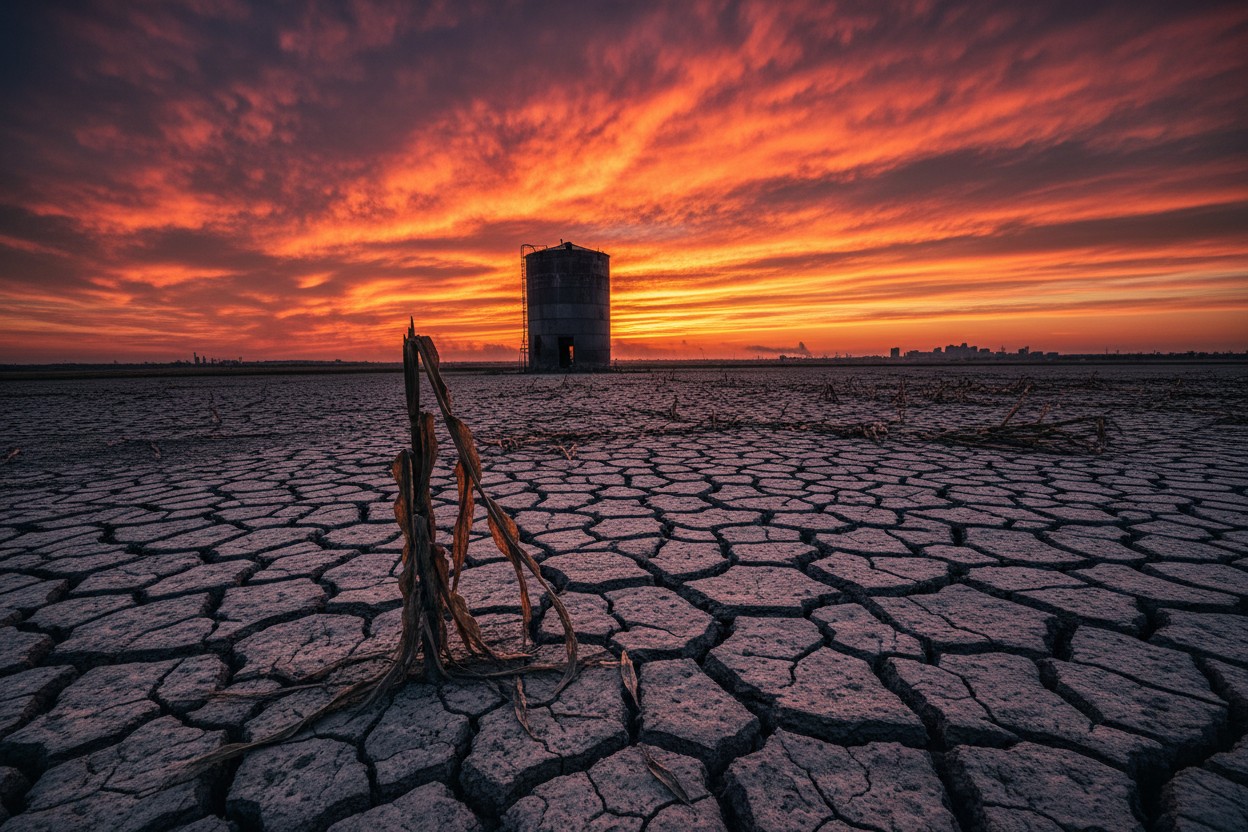
Revelation 6:5-6 describes the opening of the third seal, introducing a black horse whose rider holds a pair of scales. This scene vividly portrays a period of economic hardship and famine. A voice declares exorbitant prices for essential foods—wheat and barley—equaling a full day's wage, indicating severe scarcity and inflation. Yet, the command to 'do not harm the oil and the wine' suggests a partial, controlled judgment, perhaps preserving luxury items or certain resources while basic necessities become nearly unobtainable for the common person. This passage reveals God's sovereign hand in moments of global distress, even amidst the unfolding of judgment. It reminds us that God is actively involved, even when the world faces profound challenges like widespread food shortages.
Historical context
The Apostle John wrote the book of Revelation while exiled on the island of Patmos, likely around the late first century AD, during the reign of Roman Emperor Domitian. He addressed seven specific churches in Asia Minor, which were experiencing various forms of persecution, false teaching, and societal pressures. Famines and economic instability were not uncommon occurrences in the ancient world, and the Roman Empire itself had experienced periods of food shortages and inflation. John's original audience would have understood the devastating impact of such conditions. The imagery of a rider with scales and the mention of specific, inflated food prices would have resonated deeply with their lived experiences and anxieties, depicting a judgment that impacted daily survival.
Theological significance
Theologically, the black horse and its rider symbolize famine and economic oppression, a judgment that often follows warfare. The scales represent the rationing and careful measuring of food, emphasizing extreme scarcity. The voice announcing that a denarius (a typical day's wage) would buy only a meager portion of wheat or barley vividly portrays hyperinflation and hardship for the common worker. Major orthodox interpretations vary, with some viewing this as a literal future event, others as a symbolic representation of economic distress throughout history, or specific famines during the Roman Empire. Regardless of the exact timing, the passage consistently points to God's sovereign control over the world's economic systems and His willingness to use hardship as a form of judgment or a call to repentance. The command 'do not harm the oil and the wine' is particularly striking. It suggests a selective or partial nature to the judgment, perhaps indicating that certain luxuries or segments of society might be spared, highlighting social inequality, or demonstrating God's precise control over the extent of the calamity. It reminds us that even in judgment, God's actions are deliberate and purposeful.
Application today
For Christians aged 40-60 today, Revelation 6:5-6 offers several important applications. First, it calls us to trust in God's sovereignty even when faced with economic instability or global crises. We are reminded that God remains in control, even when the world experiences famine or extreme inflation. Second, this passage can stir our hearts to compassion and action for those experiencing poverty and food insecurity in our world. It's a call to examine our stewardship of resources and to practice generosity. Third, it encourages us to prioritize eternal values over worldly wealth. When basic necessities become precious, it reorients our perspective toward what truly matters. Finally, it serves as a powerful reminder to seek justice and advocate for equitable distribution of resources, reflecting God's heart for the vulnerable and oppressed.
Related passages
This passage from Revelation connects with several other biblical texts that speak to famine, economic hardship, and God's judgment. In the Old Testament, **Ezekiel 4:16-17** describes God's judgment leading to a time when people would "eat bread by weight and with anxiety, and drink water by measure and with dismay," a direct parallel to the precise measurements and scarcity depicted in Revelation. **Deuteronomy 28:47-48** warns that disobedience could lead to serving enemies "in hunger and thirst, in nakedness and lack of everything," framing famine as a consequence of turning from God. In the New Testament, **Matthew 24:7** includes famines among the "birth pains" that signal the end times, linking this judgment to a broader eschatological context. Furthermore, **James 5:1-6** addresses the wealthy who hoard riches and exploit the poor, which resonates with the potential social disparity implied by the preservation of "oil and wine" while basic grains are scarce. These cross-references collectively emphasize that famine and economic distress are recurring themes in God's dealings with humanity, often tied to judgment, but always under His ultimate control.
Frequently asked questions
- What does Revelation 6:5-6 mean in simple terms?
- In simple terms, Revelation 6:5-6 describes a period of widespread famine and extreme economic hardship. A black horse symbolizes this distress, and its rider holds scales, indicating that food will be carefully weighed and rationed. The passage highlights how basic necessities like wheat and barley will become incredibly expensive—costing a full day's wage for very little food—while more luxurious items like oil and wine might remain available, suggesting a severe economic imbalance.
- What is the context of Revelation 6:5-6?
- This passage is part of a series of prophetic visions given to the Apostle John, describing God's judgments unfolding on earth as the Lamb (Jesus Christ) opens seven seals. The third seal, described here, follows the judgments of conquest (white horse) and war (red horse), indicating that famine and economic collapse often follow widespread conflict. It reveals God's sovereign plan and the consequences of sin in the world, addressing an original audience who faced similar worldly challenges.
- How does Revelation 6:5-6 apply to Christians today?
- For Christians today, Revelation 6:5-6 encourages trust in God's sovereignty amidst global economic instability and food crises. It calls us to compassion and generosity towards those suffering from poverty and hunger, urging us to be good stewards of our resources. The passage also reminds us to focus on eternal values, understanding that earthly prosperity can be fleeting, and to advocate for justice and fairness in society, reflecting God's concern for the vulnerable.
- What other Bible verses are related to Revelation 6:5-6?
- Several other Bible verses are related. **Matthew 24:7** mentions famines as signs of the end times, echoing Revelation's themes. **Ezekiel 4:16-17** speaks of people eating food by weight and with anxiety during a siege, paralleling the scarcity and rationing described. **Deuteronomy 28:47-48** lists famine as a consequence of disobedience, showing God's judgment. Also, **James 5:1-6** warns the rich about exploiting the poor and hoarding wealth, which connects to the potential social disparity highlighted by the preservation of oil and wine in Revelation 6.
Save this for later:
Pin to PinterestThis commentary is denomination-neutral and grounded in Scripture. It does not predict dates for the return of Jesus — “no one knows the day or the hour” (Matthew 24:36). Generated and reviewed against the 3611 News editorial policy.