What we know and don’t know about the emerging deal to end the Iran war
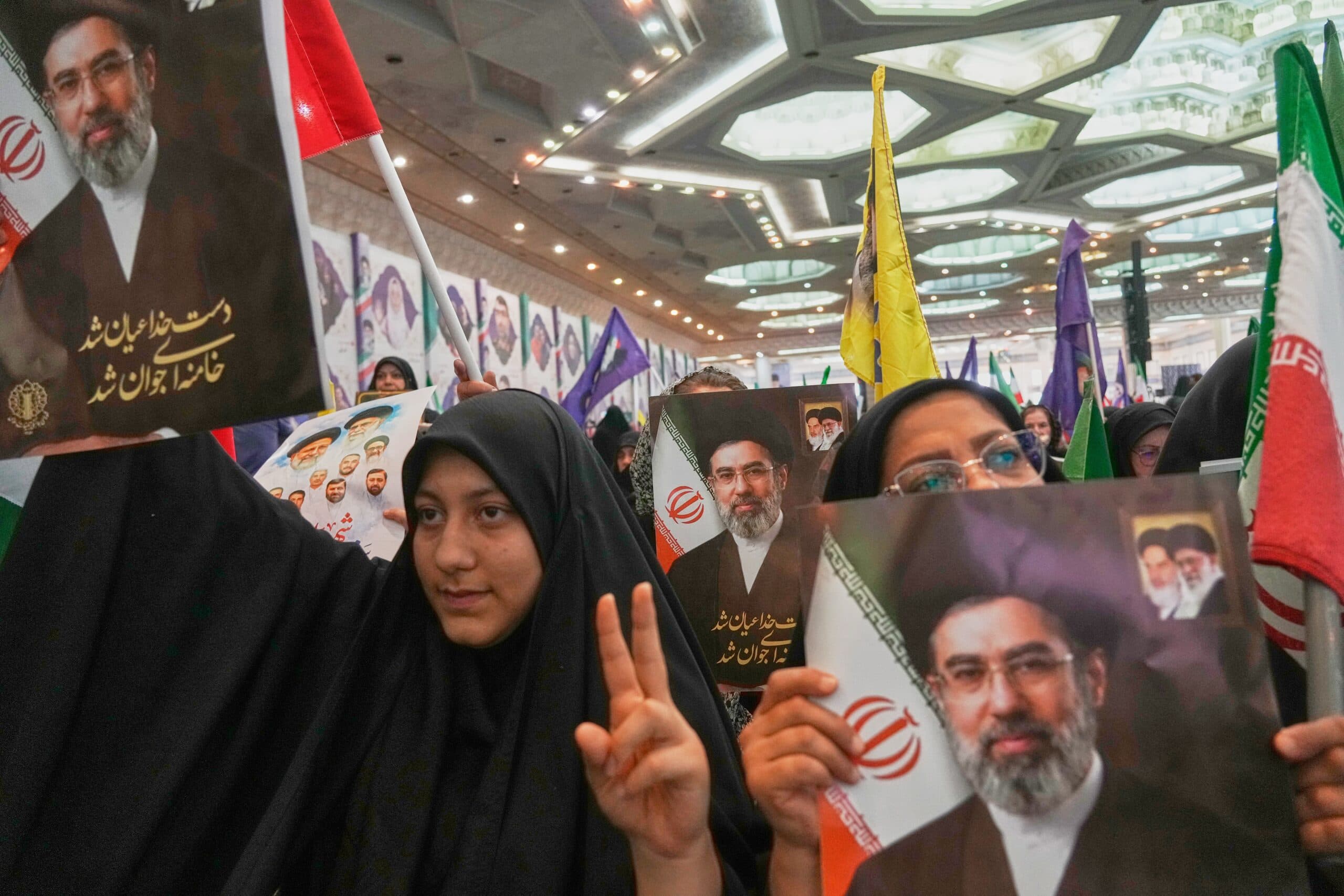
An emerging deal to end the Iran war is being negotiated, but details remain uncertain—echoing biblical warnings about false peace declarations that precede sudden destruction.
1 Thessalonians 5:3
Prophetic Fulfillment“While people are saying, 'There is peace and security,' then sudden destruction will come upon them as labor pains come upon a pregnant woman, and they will not escape.”
Why this passage
Paul writes to the Thessalonians about the Day of the Lord, warning that it will come unexpectedly upon those who declare peace and security. The original context addresses the end-times deception of a false peace that precedes divine judgment.
This verse directly applies to any major peace declaration that lulls the world into complacency. The Iran war deal, if finalized, would be precisely such a declaration—a diplomatic 'peace and security' that Scripture warns precedes sudden destruction.
Historical context, theological significance, application today — denomination-neutral, ~1,000-word walk-through.
Scripture warns that when leaders cry 'Peace, peace,' sudden destruction follows (1 Thessalonians 5:3). This emerging deal to end the Iran war is shrouded in secrecy and uncertainty, a pattern that should stir vigilance rather than complacency.
Take heed, O reader: the world's peace is often a prelude to calamity. Let this news drive you to prayer, not to ease, for the Lord's return is nearer than any human accord.
Today's Prayer
Pray that believers would not be lulled by diplomatic peace deals but remain watchful for the Lord's coming.
Further Scripture
Additional passages that illuminate this event, each grounded in a distinct interpretive lens.
“They have healed the wound of my people lightly, saying, 'Peace, peace,' when there is no peace.”
Why this passage
Jeremiah condemns false prophets who declare peace when judgment is imminent. The original context is Judah's rebellion before the Babylonian exile—a time when leaders offered superficial hope while ignoring the nation's sin.
This principle applies to any diplomatic deal that papers over deeper spiritual and geopolitical realities. The Iran war negotiations, conducted in secrecy and without addressing the root causes of conflict, echo this pattern of a 'healed wound lightly.'
How it applies
The deal to end the Iran war, if it produces a temporary ceasefire without lasting righteousness, fits Jeremiah's warning. Believers should not be deceived by such declarations but should instead look to the true peace that only Christ brings.
Related by Scripture
Other events we've interpreted through the same passage or hermeneutical lens.
Israel and Iran step back from renewed conflict after Trump calls for halt
Peace & Security DeclarationsShares 1 Thessalonians 5:3Iran, Israel say they have halted strikes on each other
Peace & Security DeclarationsShares 1 Thessalonians 5:3Trump Insists Deal Still 'Very Close' Even As Iran Launches Fresh Attack On Israel
Wars & Rumors of WarsShares Jeremiah 6:14Report: Kushner and Witkoff meet nuclear experts amid intense Iran talks
Peace & Security DeclarationsShares 1 Thessalonians 5:3Iran says 'low' possibility of return to war with US
Peace & Security DeclarationsShares Jeremiah 6:14
Community launching soon
Get the invite by email when the Watchman's Wall opens
Share this article
Source: religionnews— we link to the original for full context.