Venezuelan archbishop: Maduro’s gone, but the same people are still in charge
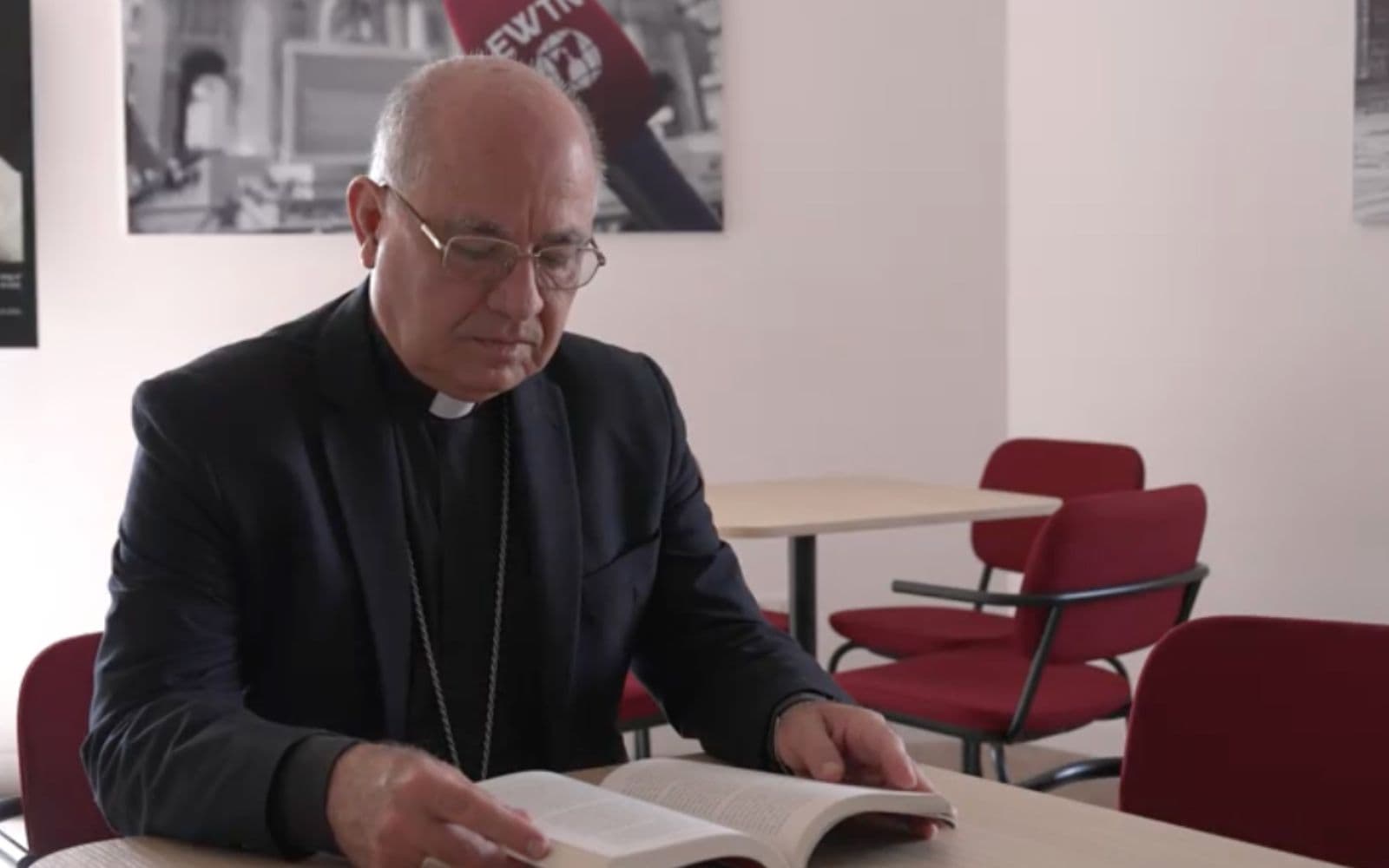
The Venezuelan Bishops' Conference reports that despite Maduro's departure, the same corrupt and ineffective power structures remain, leaving the nation in economic stagnation—a pattern of unrighteous leadership that Scripture warns against.
Micah 3:1-2
Direct Principle“And I said: Hear, you heads of Jacob and rulers of the house of Israel! Is it not for you to know justice?— you who hate the good and love the evil, who tear the skin from my people and their flesh from their bones,”
Why this passage
Micah's oracle was directed at the leaders of Israel and Judah who were supposed to uphold justice but instead exploited the people. The prophet's indictment is not against a specific dynasty but against a pattern of unrighteous rule—leaders who 'hate the good and love the evil.'
This principle applies universally: when those in authority fail to govern justly, they stand condemned by God's standard, regardless of their political affiliation or the nominal change of faces in power.
Behold, the prophet Micah declared, "Hear, you heads of Jacob and rulers of the house of Israel! Is it not for you to know justice?—you who hate the good and love the evil" (Micah 3:1-2).
When rulers change but injustice remains, the heart of the matter is not a name but a nature.
Pray that Venezuela's leaders would be turned from evil to righteousness, for only a change of heart brings lasting change to a nation.
Today's Prayer
Pray for the people of Venezuela, that God would raise up righteous leaders who fear Him and govern with justice, and that the Church would be a faithful witness in the midst of political stagnation.
Further Scripture
Additional passages that illuminate this event, each grounded in a distinct interpretive lens.
“Righteousness exalts a nation, but sin is a reproach to any people.”
Why this passage
This proverb from Solomon's collection states a general moral principle: a nation's prosperity and honor are tied to its righteousness, while sin brings shame and decline. The verse does not promise immediate material reward for every righteous act but describes the typical pattern of God's moral governance of the world.
When a nation's leaders persist in unrighteousness—even after a change in administration—the reproach remains, and the nation is not exalted.
How it applies
Venezuela's continued economic hardship and political stagnation, despite the removal of Maduro, illustrate that sin—corruption, injustice, and ungodly governance—is a reproach that no mere change of personnel can remove. The nation's exaltation requires a return to righteousness at every level of society.
This calls believers to intercede for national repentance and to live as salt and light, knowing that only righteousness truly exalts a people.
Related by Scripture
Other events we've interpreted through the same passage or hermeneutical lens.
Why Americans Are Falling Out Of Love With LGBT ‘Pride’
Moral DeclineShares Proverbs 14:34Pope Leo rails against migrant deaths on visit to Spain’s ‘dock of shame’
Moral DeclineShares Proverbs 14:34Philippine bishop, ex-ICC judge lead new inquiry into thousands of Duterte-era killings
Moral DeclineShares Proverbs 14:34Tisza Backtracks on Proposal, Christian Culture Stays in Constitution
Moral DeclineShares Proverbs 14:34U.S. bishops praise Leo’s encyclical on AI, echo concern for human dignity, common good
Technology & SurveillanceShares Proverbs 14:34
Community launching soon
Get the invite by email when the Watchman's Wall opens
Share this article
Source: ewtnnews— we link to the original for full context.