Survey finds fewer than 25% of Gaza border residents feel safe, 40% don’t trust state
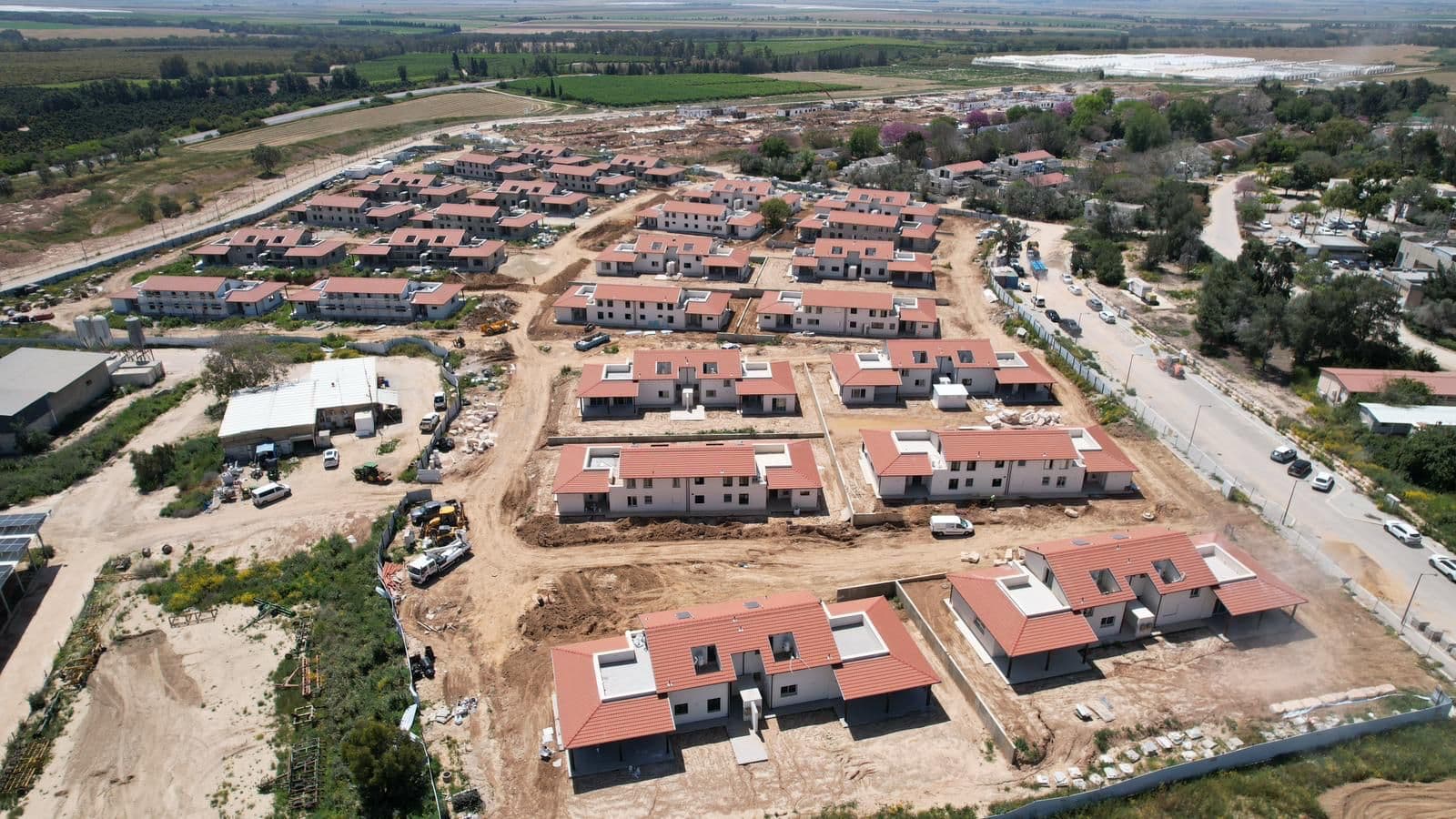
A survey of Israelis living near the Gaza border reveals that fewer than one in four feel safe in their own land, and 40% have lost trust in the state — a portrait of a traumatized people still living under the shadow of war, echoing the ancient pattern of Israel's covenant land convulsed by surrounding enemies.
Lamentations 2:11
Narrative Parallel“My eyes are spent with weeping; my stomach churns; my bile is poured out to the ground because of the destruction of the daughter of my people, because infants and babies faint in the streets of the city.”
Why this passage
Lamentations was written in the immediate aftermath of Jerusalem's destruction by Babylon — a first-person lament over a traumatized civilian population stripped of safety, dignity, and trust in their leaders. Jeremiah weeps over the visible collapse of communal life: children, streets, the fabric of a city undone.
The structural parallel to the Gaza border communities is genuine: a sudden, catastrophic enemy assault (October 7), civilian displacement, shattered communal life, and a people whose grief is documented now in survey data rather than poetry. The pattern — enemy violence, civilian trauma, institutional loss of trust — is the same.
The prophet Jeremiah, watching Jerusalem's people scattered and fearful, cried: 'terror is on every side' (Jeremiah 20:10) — and now the communities of the Gaza envelope voice the same ancient anguish. When fewer than one in four residents feel safe in the land promised to Abraham's descendants, Scripture does not call us to political commentary alone, but to intercession.
God's covenant with Israel has never depended on polling numbers or government trust scores. His word through Jeremiah 30:17 stands: 'I will restore health to you, and your wounds I will heal.' The present suffering of these border communities is real, but it does not have the final word.
Today's Prayer
Pray that the displaced and traumatized residents of Israel's Gaza border communities would find genuine safety restored to their towns, and that their fractured trust — in their government and ultimately in the God of Israel — would be rebuilt through His covenant faithfulness.
Further Scripture
Additional passages that illuminate this event, each grounded in a distinct interpretive lens.
“Among those nations you shall find no respite, and there shall be no resting place for the sole of your foot, but the LORD will give you there a trembling heart and failing eyes and a languishing soul. Your life shall hang in doubt before you. Night and day you shall be in dread and have no assurance of your life.”
Why this passage
Deuteronomy 28 contains the covenant blessings and curses delivered by Moses on the plains of Moab. The curses section (vv.
15-68) describes with remarkable specificity the psychological condition of a people living in insecurity within or expelled from the covenant land: a trembling heart, failing eyes, languishing soul, and perpetual dread.
The plain grammatical-historical sense is covenantal warning — not of final abandonment, but of the bitter fruit of exile from God's shalom. While Israel in 2025 is not in Mosaic covenant apostasy, these verses capture the spiritual and emotional texture of what God declared 'dread with no assurance of life' — a condition now documented by survey data among the very communities on Israel's frontier.
How it applies
The survey's finding that fewer than 25% of Gaza border residents feel safe, and that many cannot return to their homes, mirrors the covenant description of a people for whom 'there is no resting place for the sole of your foot.'
This is not a triumphalist application of curse-theology, but a pastoral one: Scripture anticipated this exact human experience of chronic dread and loss of trust, and calls the people of God to see it clearly rather than dismiss it politically.
“I will restore the fortunes of my people Israel, and they shall rebuild the ruined cities and inhabit them; they shall plant vineyards and drink their wine, and they shall make gardens and eat their fruit. I will plant them on their land, and they shall never again be uprooted out of the land that I have given them, says the LORD your God.”
Why this passage
Amos closes his book of devastating judgment oracles with an unconditional covenant promise: Israel will be replanted, ruined cities rebuilt, and the people will never again be uprooted from the land God gave them. This is not conditioned on Israel's obedience but grounded in God's own oath — 'says the LORD your God.'
The verse has a near-horizon referent in the return from Babylon and a far-horizon fulfillment that many interpreters, reading Romans 11 alongside it, see as still unfolding in the modern return to the land.
How it applies
The Tekuma Directorate report reveals communities still in ruins, residents still displaced, 'ruined cities' not yet rebuilt — the opposite of what Amos 9:14 promises as God's ultimate word over Israel.
For the believing reader, this gap between present reality and covenant promise is not a refutation of Scripture but a call to intercession: the God who declared 'they shall rebuild' has not retracted His word, and the current suffering of these border towns stands under the shadow of that unfinished promise.
Related by Scripture
Other events we've interpreted through the same passage or hermeneutical lens.
Initial report - Sirens sound in the area of Misgav Am
Israel & JerusalemShares Amos 9:14-1527 Apr 2026
Israel & JerusalemShares Amos 9:14-15Attempted ramming attack in Samaria, no injuries reported
Israel & JerusalemShares Amos 9:14-15IDF arrests PIJ Jenin Battalion commander during West Bank operation
Israel & JerusalemShares Amos 9:14-15
Community launching soon
Get the invite by email when the Watchman's Wall opens
Share this article
Source: timesofisrael— we link to the original for full context.