Philippine bishop, ex-ICC judge lead new inquiry into thousands of Duterte-era killings
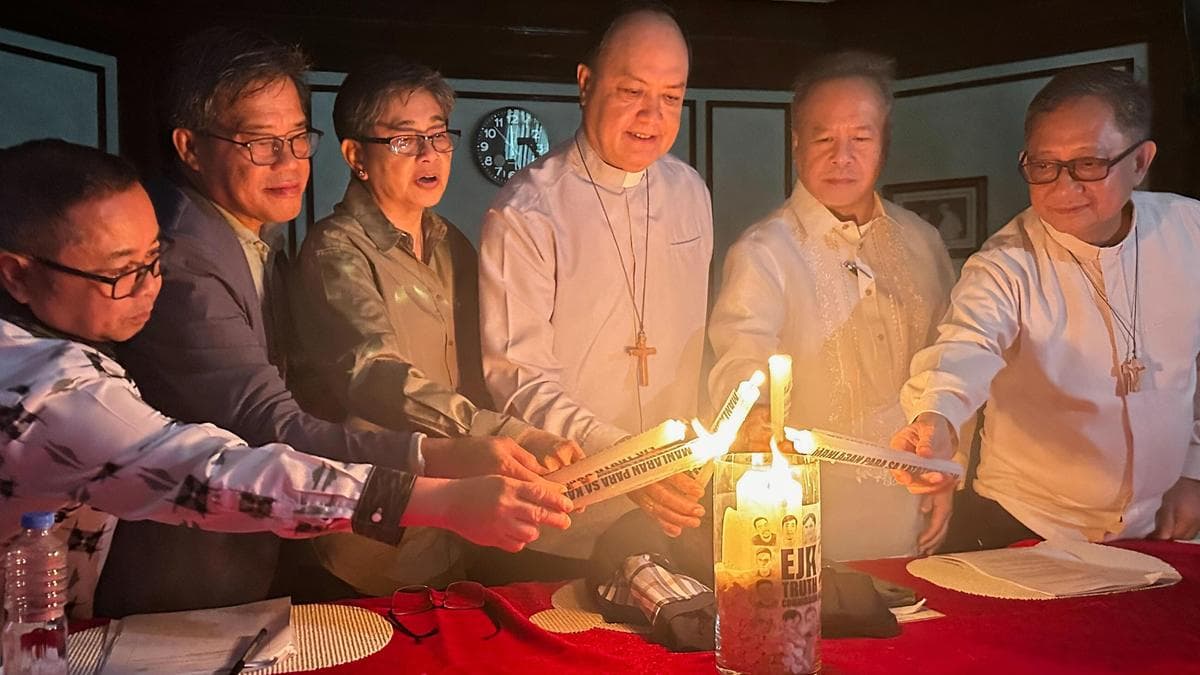
A new commission led by a Philippine bishop and a former ICC judge investigates thousands of extrajudicial killings during the Duterte administration, reflecting a nation's reckoning with state-sanctioned violence and the moral decay of justice.
Proverbs 14:34
Wisdom Application“Righteousness exalts a nation, but sin is a reproach to any people.”
Why this passage
In its original context, this proverb from Solomon's collection contrasts the moral foundation of a nation's flourishing with the shame that sin brings. The Hebrew word for 'sin' (chatta'ah) can refer to both individual transgression and systemic injustice.
The verse is a timeless principle: a nation's true exaltation comes not from power or wealth, but from righteousness—and its reproach comes from unaddressed sin.
This principle applies directly to the Philippines' drug war killings. The state's use of lethal force outside legal process, resulting in thousands of deaths, constitutes a national sin that brings reproach.
The commission's inquiry is a secular attempt to address this reproach, but without repentance before God, it remains incomplete.
Scripture declares, 'Righteousness exalts a nation, but sin is a reproach to any people' (Proverbs 14:34). The inquiry into thousands of killings under the guise of a drug war exposes a deep national wound—where the state itself became an instrument of death.
Yet even in this darkness, the pursuit of truth and testimony is a faint echo of God's call for justice. Let us pray that the victims' cries are not silenced, and that this reckoning leads to repentance rather than mere political maneuvering.
Today's Prayer
Pray that the commission's work would uncover truth and bring a measure of earthly justice, and that the Church in the Philippines would be a voice for the voiceless in this moral crisis.
Further Scripture
Additional passages that illuminate this event, each grounded in a distinct interpretive lens.
“Woe to those who call evil good and good evil, who put darkness for light and light for darkness, who put bitter for sweet and sweet for bitter!”
Why this passage
Isaiah pronounces woe on those who invert moral categories, a direct condemnation of ethical confusion. The original audience was Israel's leaders who justified oppression and injustice.
The verse's plain meaning is a warning against redefining God's moral order.
The Duterte administration's framing of extrajudicial killings as a necessary 'war on drugs' is a modern example of calling evil good. The inquiry now seeks to expose this inversion, but the moral damage is already done.
How it applies
The thousands of killings were often publicly justified as a necessary evil for public safety—a classic inversion of moral categories. This inquiry attempts to restore the distinction between good and evil by documenting the truth.
Yet the woe of Isaiah remains over any nation that systematically redefines murder as policy. Only a return to God's standard of justice can truly set things right.
Related by Scripture
Other events we've interpreted through the same passage or hermeneutical lens.
Green councillor who praised Oct 7 attacks lands cabinet role
Moral DeclineShares Isaiah 5:20Gender Madness Is Embarrassing Reasonable Australians
Moral DeclineShares Isaiah 5:20Christian Lifeguard, L.A. County Go to Trial over June Pride Flag Ordinance
Moral DeclineShares Isaiah 5:20Tisza Backtracks on Proposal, Christian Culture Stays in Constitution
Moral DeclineShares Proverbs 14:34Foreign Ministry accuses detained flotilla activists of faking their injuries
Moral DeclineShares Isaiah 5:20
Community launching soon
Get the invite by email when the Watchman's Wall opens
Share this article
Source: thehindu— we link to the original for full context.