Living In A Culture That Silences Biblical Truth
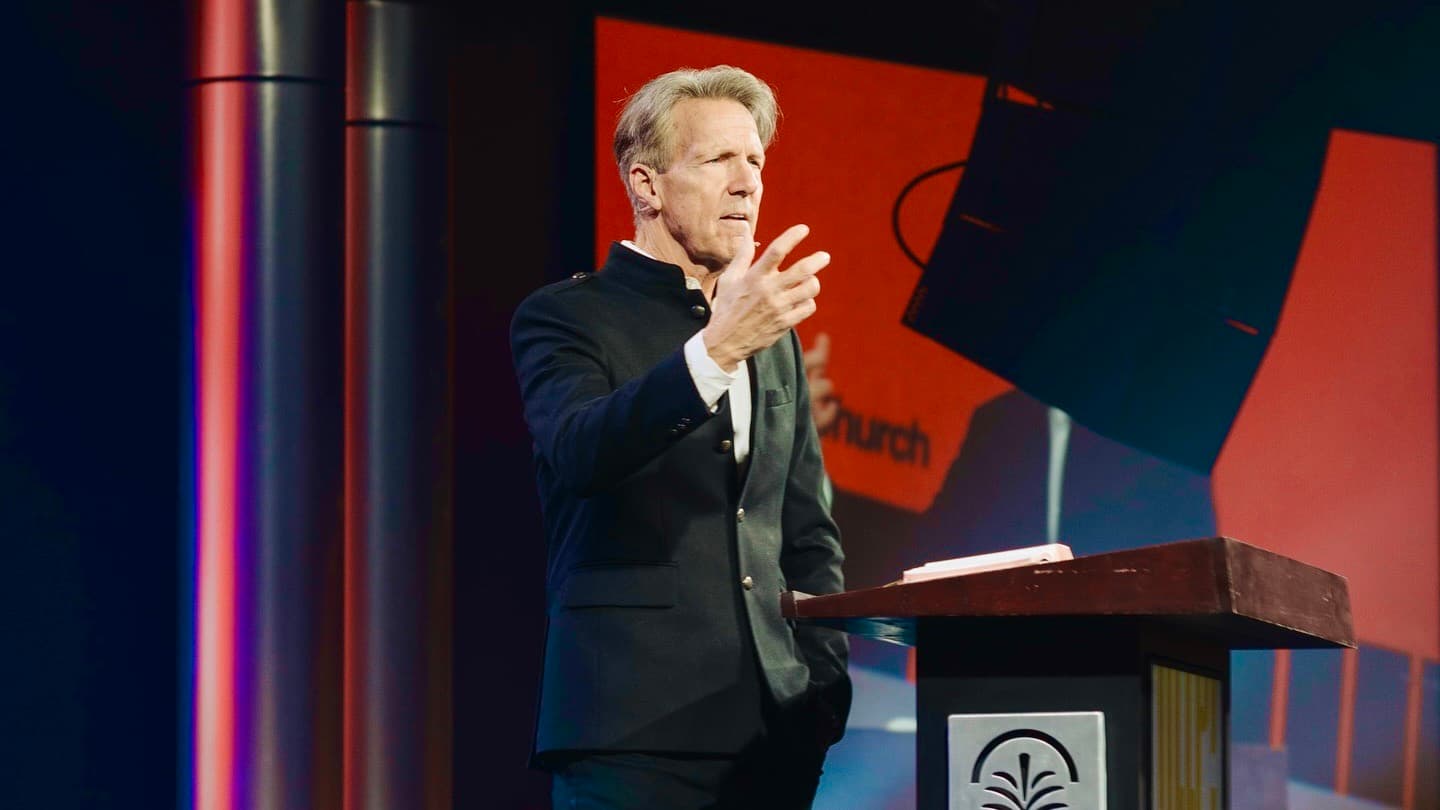
Western cancel culture is systematically silencing Christians who hold to biblical teaching on sexuality, life, and morality — a pattern Scripture foresaw as the defining mark of a civilization that has inverted the moral order, enshrining what God calls evil and persecuting what God calls good.
Isaiah 5:20
Direct Principle“Woe to those who call evil good and good evil, who put darkness for light and light for darkness, who put bitter for sweet and sweet for bitter!”
Why this passage
Isaiah 5:20 is one of six 'woe' oracles against Judah — formal covenant-curse declarations announcing divine judgment on specific moral corruptions. The original hearers would have recognized the 'woe' form from the funeral lament: it announces as already-dead those who systematically invert the moral categories God has established.
The grammatical-historical sense is plain: those in positions of cultural or judicial authority who relabel God's moral order — making perversion honorable and righteousness shameful — place themselves under divine curse. The principle is not culturally conditioned; it is rooted in the character of a God who defines good.
Isaiah declared with surgical precision: 'Woe to those who call evil good and good evil, who put darkness for light and light for darkness' (Isaiah 5:20). The cancel culture machinery now visible across Western institutions is not a new phenomenon — it is the ancient pattern of moral inversion wearing modern garb, punishing those whose speech is measured by a standard higher than the state.
Hear, O reader: the silencing of biblical truth is not merely a political skirmish. It is a civilization announcing its verdict against the living God.
Yet the woe belongs not to those silenced, but to those doing the silencing — and that ought to move the faithful to intercession rather than despair.
Today's Prayer
Pray that Christians who face professional, social, or legal punishment for holding to biblical truth would stand with calm courage, and that the watching world would see in their steadfastness a witness to the God who cannot be cancelled.
Further Scripture
Additional passages that illuminate this event, each grounded in a distinct interpretive lens.
“But understand this, that in the last days there will come times of difficulty. For people will be lovers of self, lovers of money, proud, arrogant, abusive, disobedient to their parents, ungrateful, unholy, heartless, unappeasable, slanderous, without self-control, brutal, not loving good, treacherous, reckless, swollen with conceit, lovers of pleasure rather than lovers of God, having the appearance of godliness, but denying its power. Avoid such people.”
Why this passage
Paul's catalog in 2 Timothy 3 is not random moralizing — it is a prophetic description of the social texture of the last days, addressed to Timothy as a pastor who will have to shepherd people through precisely this environment. The phrase 'not loving good' (aphilagathoi) and 'slanderous' (diaboloi — lit. 'devil-like accusers') are particularly exact: they describe a culture that has lost the capacity to value goodness and resorts to accusation as its primary social weapon.
The fulfillment horizon Paul describes is not a single moment but a progressive cultural condition that intensifies as history advances toward the Lord's return.
How it applies
Cancel culture's operating mechanism is accusation — the public slandering of those who hold to biblical ethics as bigots, haters, or dangerous extremists. This is the 'slanderous' and 'brutal' social climate Paul forecast, wielded by those who maintain the 'appearance of godliness' (progressive moral posturing) while 'denying its power' (rejecting the God who defines morality).
The faithful are not surprised by this; they were warned. Paul's counsel — 'avoid such people' — is not cowardice but the wisdom of preserving a distinct witness.
“If you are insulted for the name of Christ, you are blessed, because the Spirit of glory and of God rests upon you.”
Why this passage
Peter writes to scattered believers already experiencing social shame and verbal abuse for their confession of Christ. His theological grounding is not stoic endurance but covenant promise: the same 'Spirit of glory' who rested on the Shekinah and on the prophets now rests on the one bearing reproach for Christ's name.
The insult becomes the occasion for a divine visitation.
The promise is not merely comfort — it is a reversal-declaration: the culture's verdict of shame is overridden by God's verdict of blessing.
How it applies
Christians in Western contexts who lose jobs, platforms, or social standing for upholding biblical teaching on sexuality or life are experiencing precisely the 'insult for the name of Christ' Peter addresses. The article frames this as cultural silencing — and so it is.
But Scripture frames it simultaneously as the occasion upon which the Spirit of glory rests.
The faithful are called to receive the promise, not merely endure the pressure.
“In those days there was no king in Israel. Everyone did what was right in his own eyes.”
Why this passage
The closing verse of Judges functions as the theological verdict on an entire era of Israelite history. The narrator does not merely record chaos — he identifies its root: the absence of a transcendent authority, replaced by the autonomous moral judgment of each individual.
The structural pattern is: rejection of God's kingship → moral autonomy → civilization-wide inversion of justice.
The parallel is genuine in structure, not merely in vibe: the actors are the same (a society that has displaced divine authority), the motive is the same (self-determined morality), and the consequence is the same (the righteous suffer while the wicked set the terms).
How it applies
The post-Christian West has replicated the Judges pattern with remarkable fidelity: having displaced the authority of Scripture, each ideological movement now legislates its own 'right' — and those who appeal to a standard above the cultural moment are punished for it. The article's description of Christians being silenced for holding to biblical teaching is the contemporary face of a civilization in the Judges condition.
The warning embedded in Judges is that this trajectory ends in moral collapse, not in stable pluralism.
Related by Scripture
Other events we've interpreted through the same passage or hermeneutical lens.
Learning nothing: L.A. can't put out a warehouse fire even as city gets covered in smoke
Moral DeclineShares Isaiah 5:20Not entirely unacceptable to call Hamas freedom fighters, doctor tells tribunal
Moral DeclineShares Isaiah 5:20Northern Ireland secretary condemns ‘racist thuggery’ after further violence
Moral DeclineShares 2 Timothy 3:1-5The Dem Establishment Goes All-In Against Platner
Moral DeclineShares 2 Timothy 3:1-5Green councillor who praised Oct 7 attacks lands cabinet role
Moral DeclineShares Isaiah 5:20
Community launching soon
Get the invite by email when the Watchman's Wall opens
Share this article
Source: Harbinger's Daily— we link to the original for full context.