Kidnapped pastor freed from prison
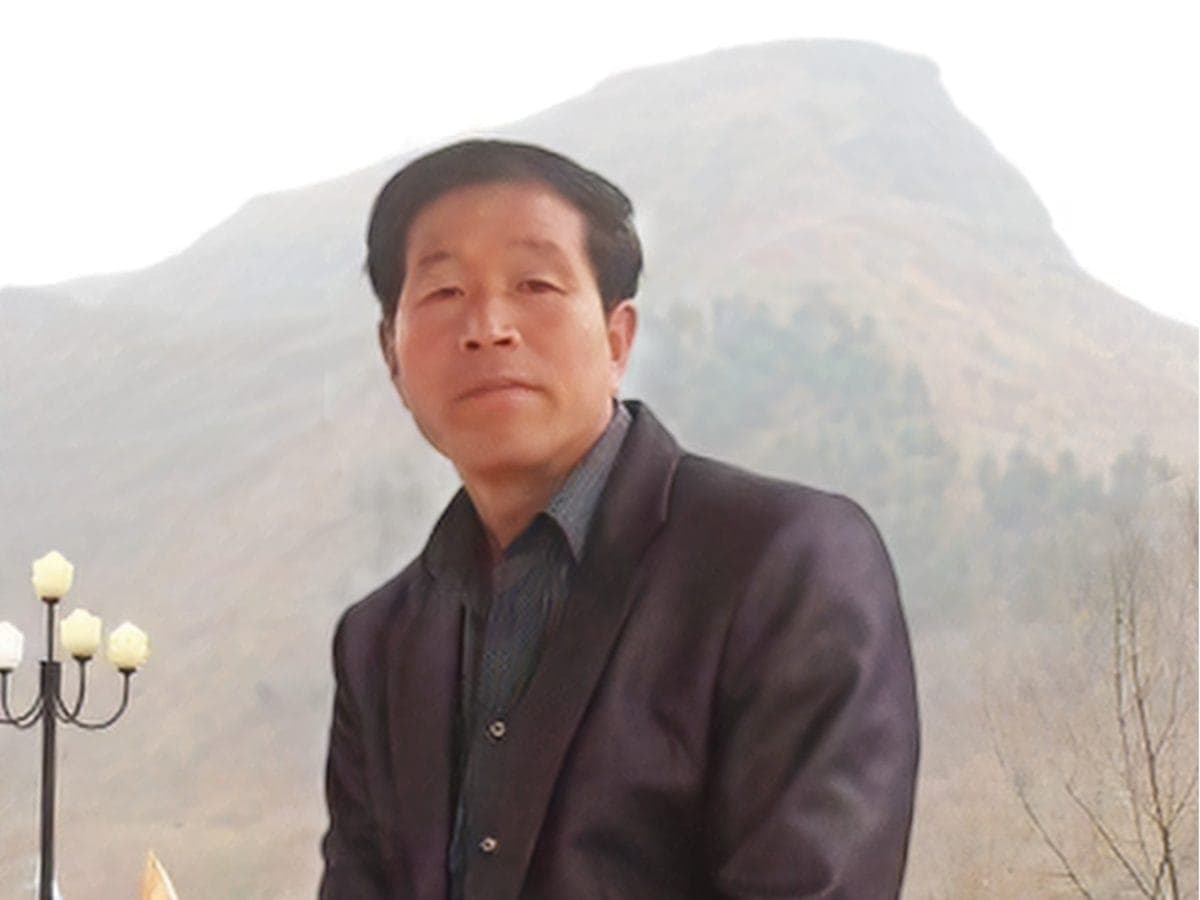
Deacon Jang, a Christian leader kidnapped and imprisoned by North Korea's regime, has been freed and returned to China — a stark reminder that the most intense persecution of believers on earth continues under one of history's most anti-Christian governments, even as God preserves His witnesses.
1 Peter 5:9-10
Direct Principle“Resist him, firm in your faith, knowing that the same kinds of suffering are being experienced by your brotherhood throughout the world. And after you have suffered a little while, the God of all grace, who has called you to his eternal glory in Christ, will himself restore, confirm, strengthen, and establish you.”
Why this passage
Peter wrote to Gentile Christians dispersed across Asia Minor who faced real social hostility and the looming threat of imperial persecution. His point is theological and pastoral: suffering for the faith is not an anomaly but the common experience of the worldwide brotherhood, and it is bounded — 'a little while' — by God's own restorative purpose.
The grammar of verse 10 is emphatic: God himself (autos) will act. This principle applies directly and without reinterpretation whenever a believer suffers specifically because of allegiance to Christ.
The apostle Peter, writing to scattered and suffering believers, called them to stand firm knowing that 'the same kinds of suffering are being experienced by your brotherhood throughout the world.' Deacon Jang's ordeal in a North Korean prison is exactly the kind of suffering Peter had in mind — not incidental hardship, but targeted, state-sponsored torment for the name of Christ. Yet Peter's word is not despair but steel-spined hope: the God of all grace, who called you to his eternal glory, will himself restore, confirm, strengthen, and establish you.
Deacon Jang's release is a living testimony to that promise. His story calls us to remember that our brothers and sisters in the underground church are not forgotten by God, even when they are invisible to the world.
Today's Prayer
Pray for every Christian still imprisoned in North Korea — that God would sustain them supernaturally, hasten their release, and raise up bold advocates who will not let their suffering remain hidden.
Further Scripture
Additional passages that illuminate this event, each grounded in a distinct interpretive lens.
“Do not fear what you are about to suffer. Behold, the devil is about to throw some of you into prison, and you will have tribulation for ten days. Be faithful unto death, and I will give you the crown of life.”
Why this passage
Christ's word to the church at Smyrna addresses believers facing state-sponsored imprisonment for their faith — the Roman imperial apparatus was the instrument, but Christ identifies the deeper agent as the devil. The promise is not immunity from prison but faithfulness through it, with the crown of life as the eschatological reward.
The 'church of Smyrna' pattern — a poor, persecuted, imprisoned congregation that Christ calls 'rich' — recurs throughout church history wherever believers suffer under totalitarian power.
How it applies
North Korea's regime has functioned for decades as exactly the kind of imprisoning power Christ warned Smyrna about. Deacon Jang was literally thrown into prison for his faith.
Christ's charge — 'be faithful unto death' — is the word Deacon Jang lived out, and his release is a foretaste of the crown that awaits all who endure. This verse corrects any theology that assumes faithfulness protects believers from prison; it promises instead that prison does not separate them from Christ.
“that he looked down from his holy height; from heaven the LORD looked at the earth, to hear the groans of the prisoners, to set free those who were doomed to die.”
Why this passage
Psalm 102 is a lament of one afflicted, who appeals to God's eternal sovereignty over his present suffering. Verses 19-20 declare a specific divine disposition: God actively attends to the groans of prisoners and acts to liberate those condemned to death.
This is not merely poetic — it reflects the Exodus pattern embedded in Israel's covenant God (Exod 3:7, 'I have heard their groaning'), who hears what no earthly court will hear and acts when no earthly power will act.
How it applies
Deacon Jang groaned in a North Korean prison — one of the most sealed and silent prisons on earth, where the outside world rarely hears anything. Yet the God of Psalm 102 'looked down from his holy height' and heard.
His release is a concrete, datable instance of God doing exactly what this psalm declares He does: setting free those doomed to die. It is an encouragement to intercessors who prayed and wondered if God heard — He did.
“Indeed, all who desire to live a godly life in Christ Jesus will be persecuted.”
Why this passage
Paul's statement to Timothy is unqualified and universal in scope — 'all who desire to live a godly life.' It is not a prophecy about a future age but a present-tense description of the normal Christian life in a world hostile to Christ. The word 'persecuted' (diōchthēsontai) means actively hunted or harassed, not merely inconvenienced.
Paul speaks from personal experience (vv. 10-11) and frames it as the pattern, not the exception.
How it applies
North Korea is not an outlier in God's economy — it is the most visible current expression of a universal principle Paul declared nearly two thousand years ago. Deacon Jang desired to live a godly life and lead others in doing so; the regime's response was kidnapping and imprisonment, confirming Paul's word exactly.
This verse is a sobering corrective to any prosperity-gospel or comfort-Christianity that promises earthly safety to the faithful.
Related by Scripture
Other events we've interpreted through the same passage or hermeneutical lens.
Community launching soon
Get the invite by email when the Watchman's Wall opens
Source: Release International— we link to the original for full context.